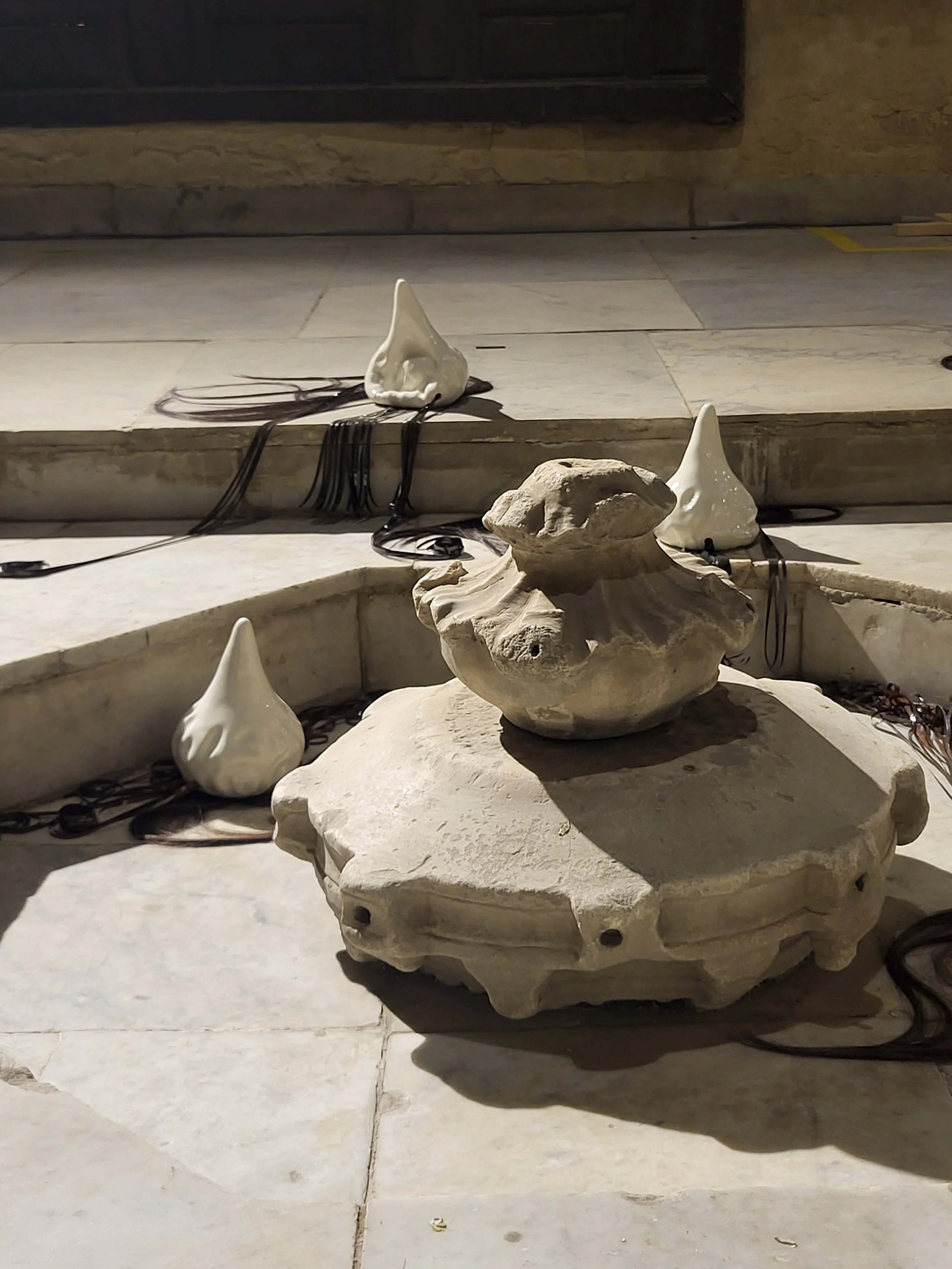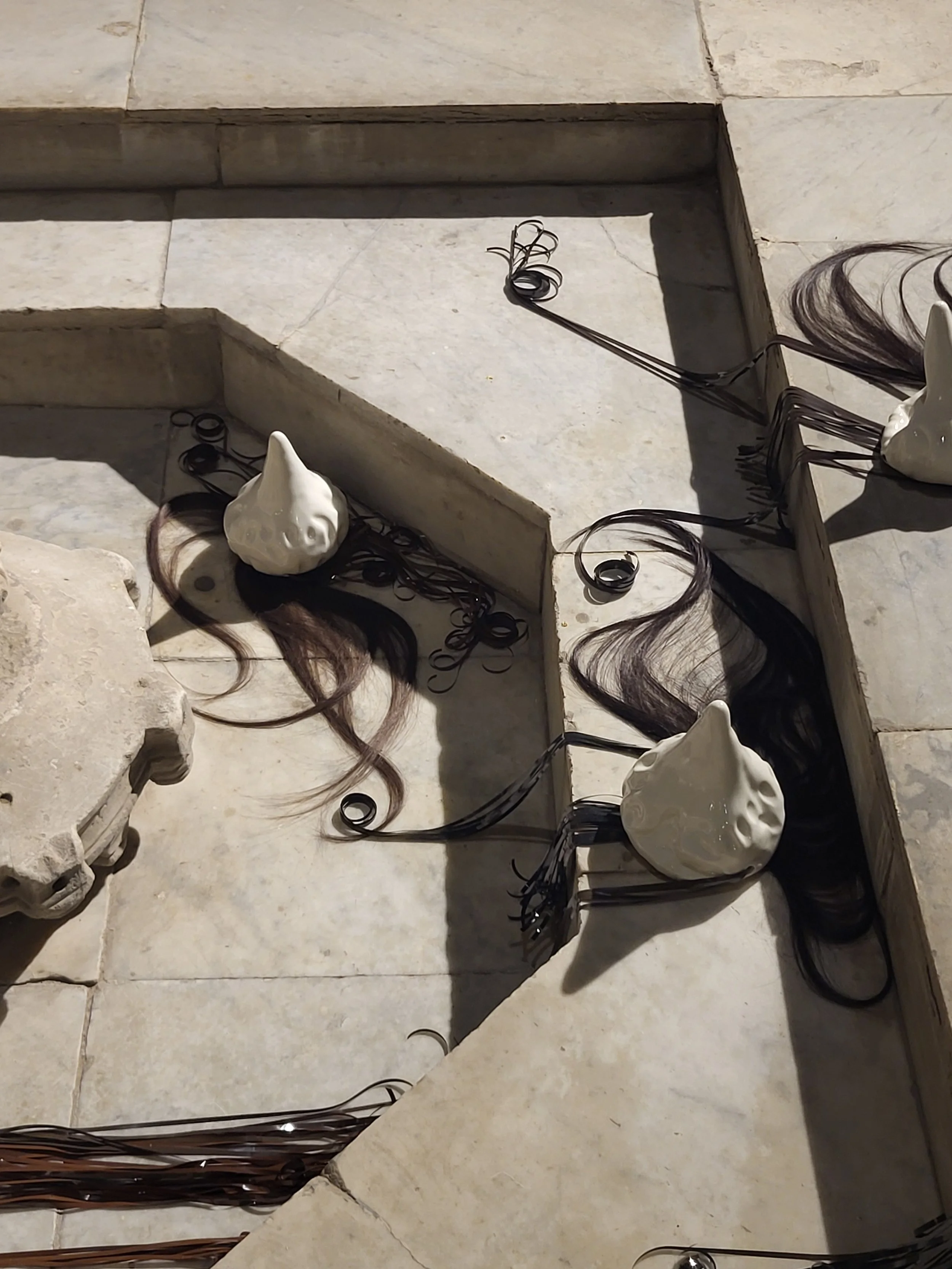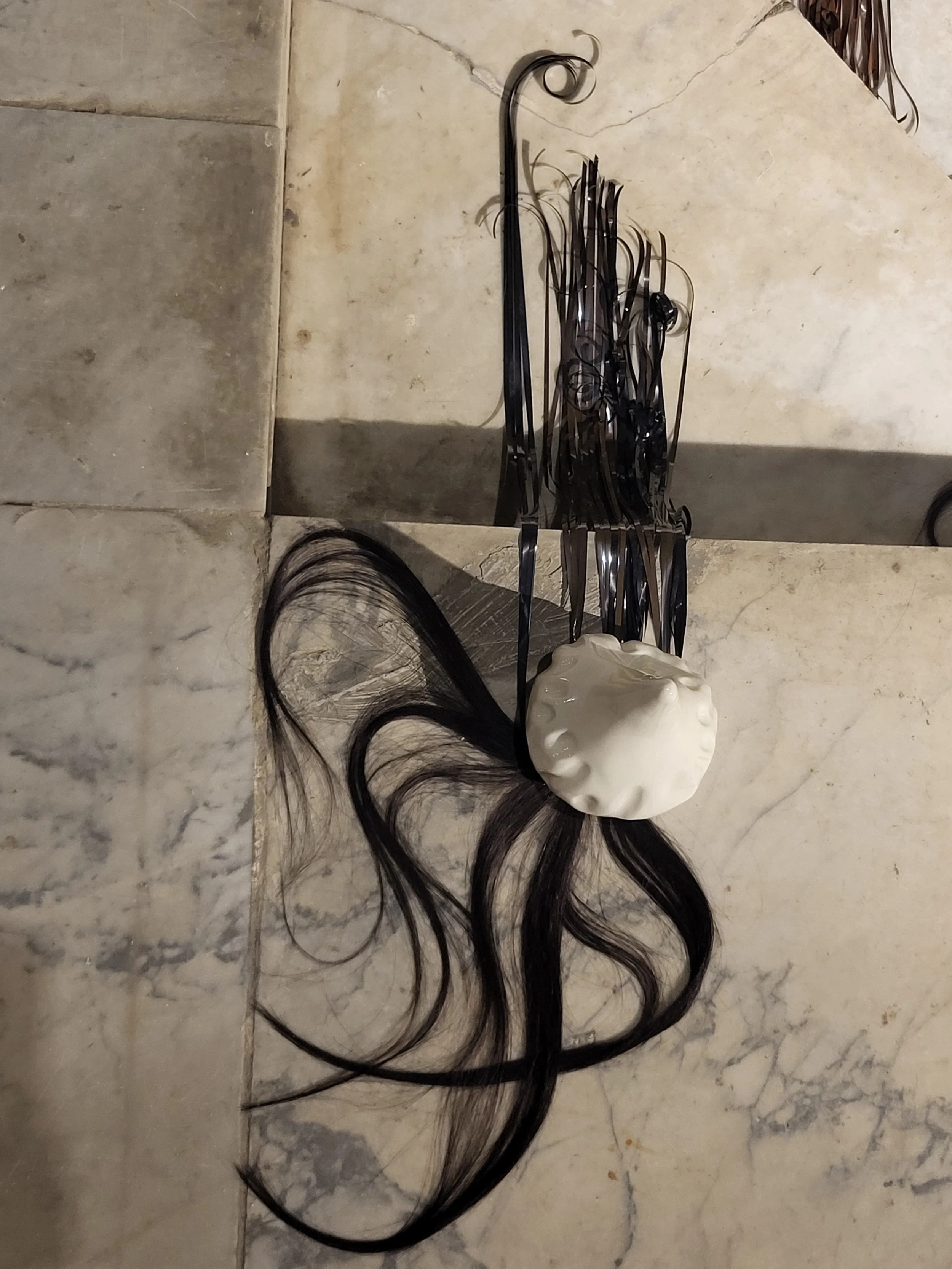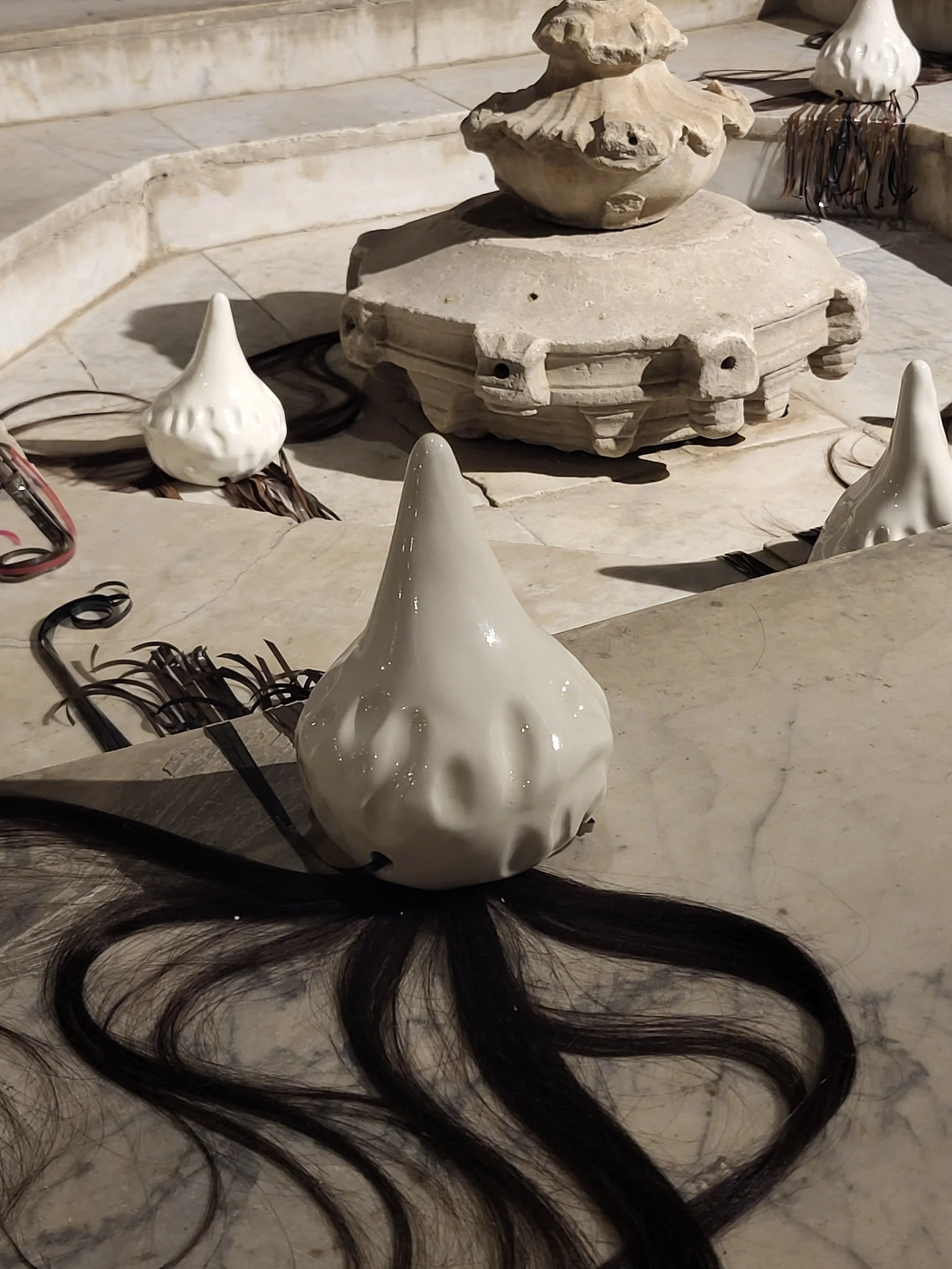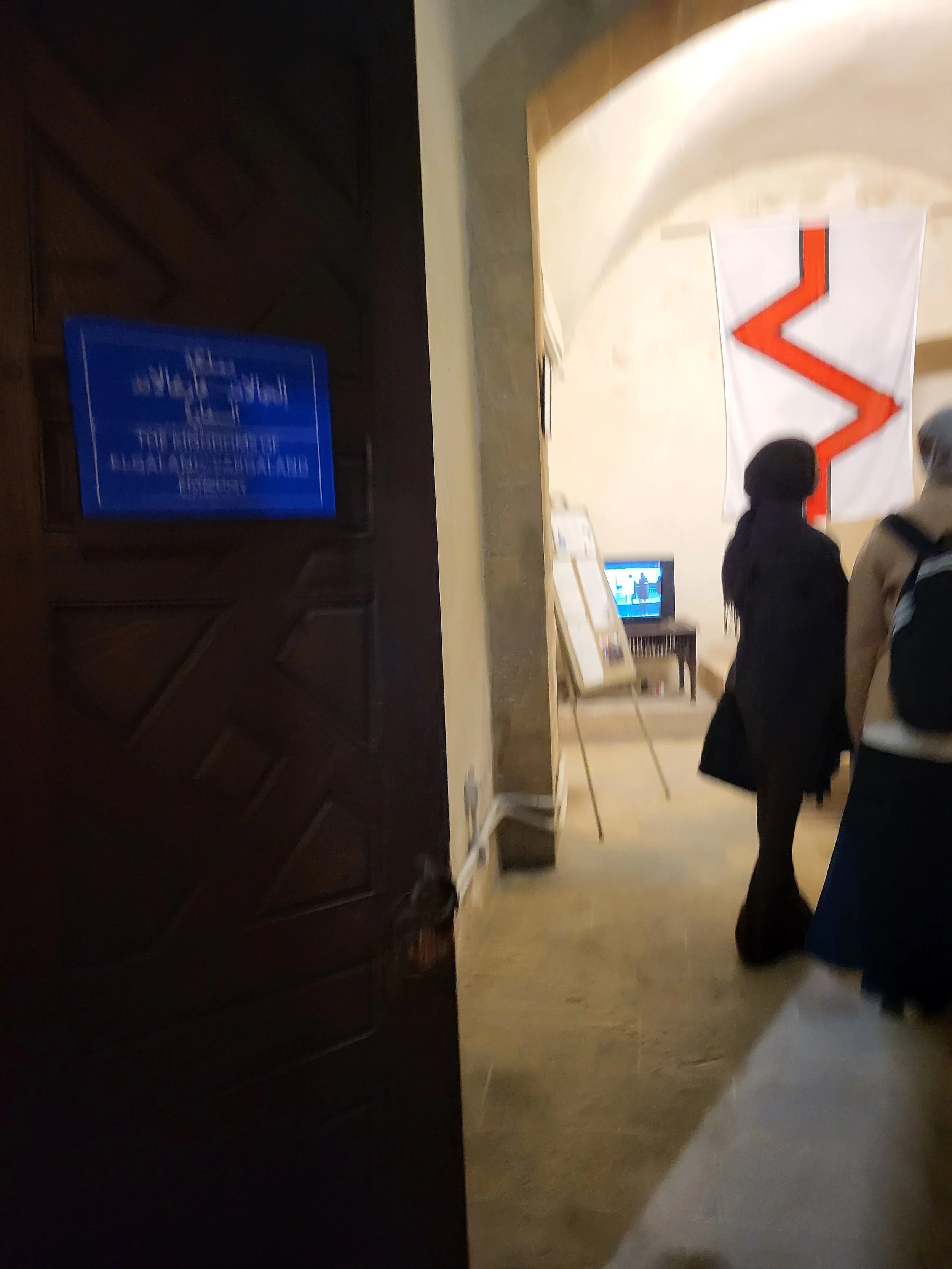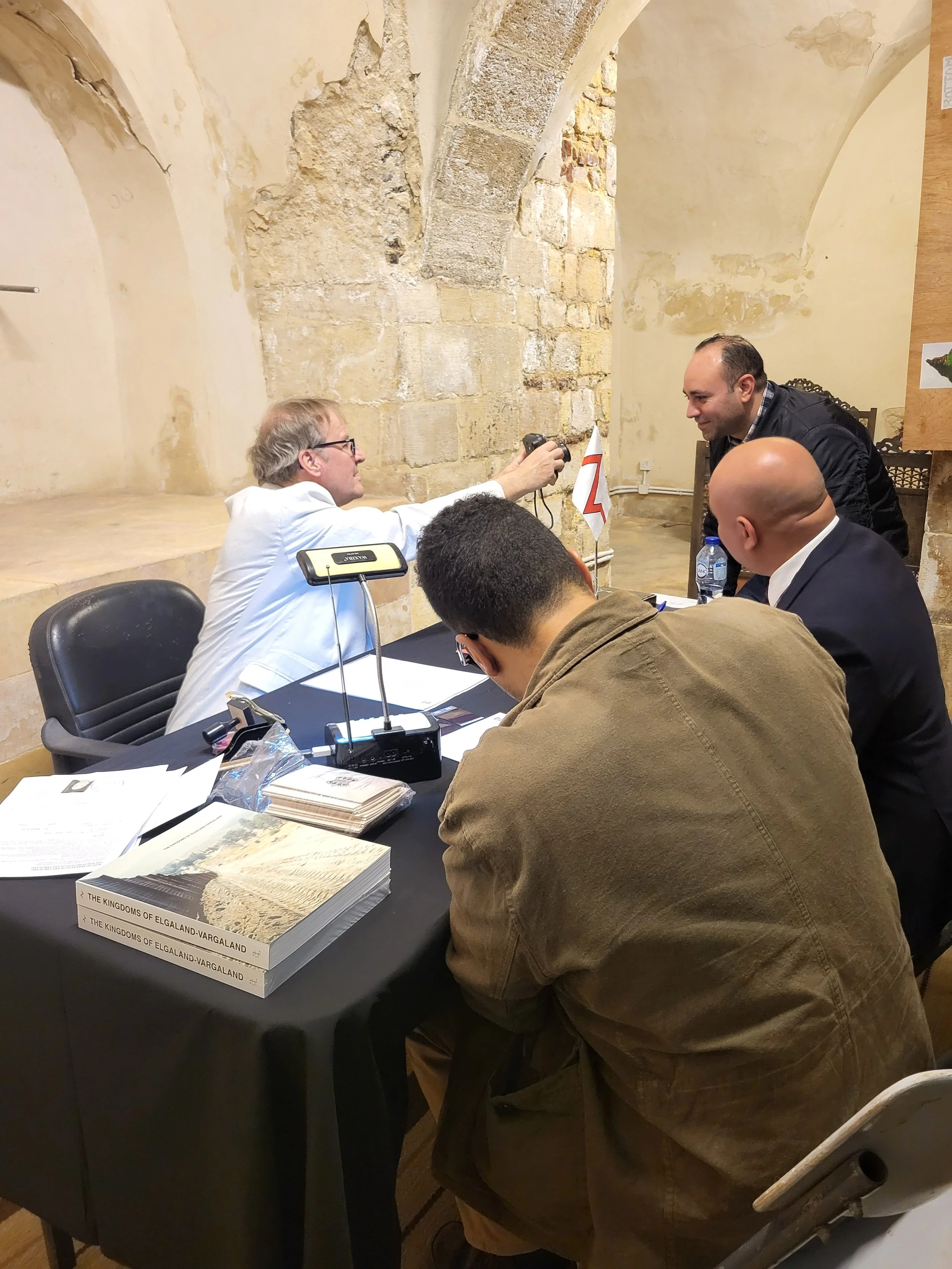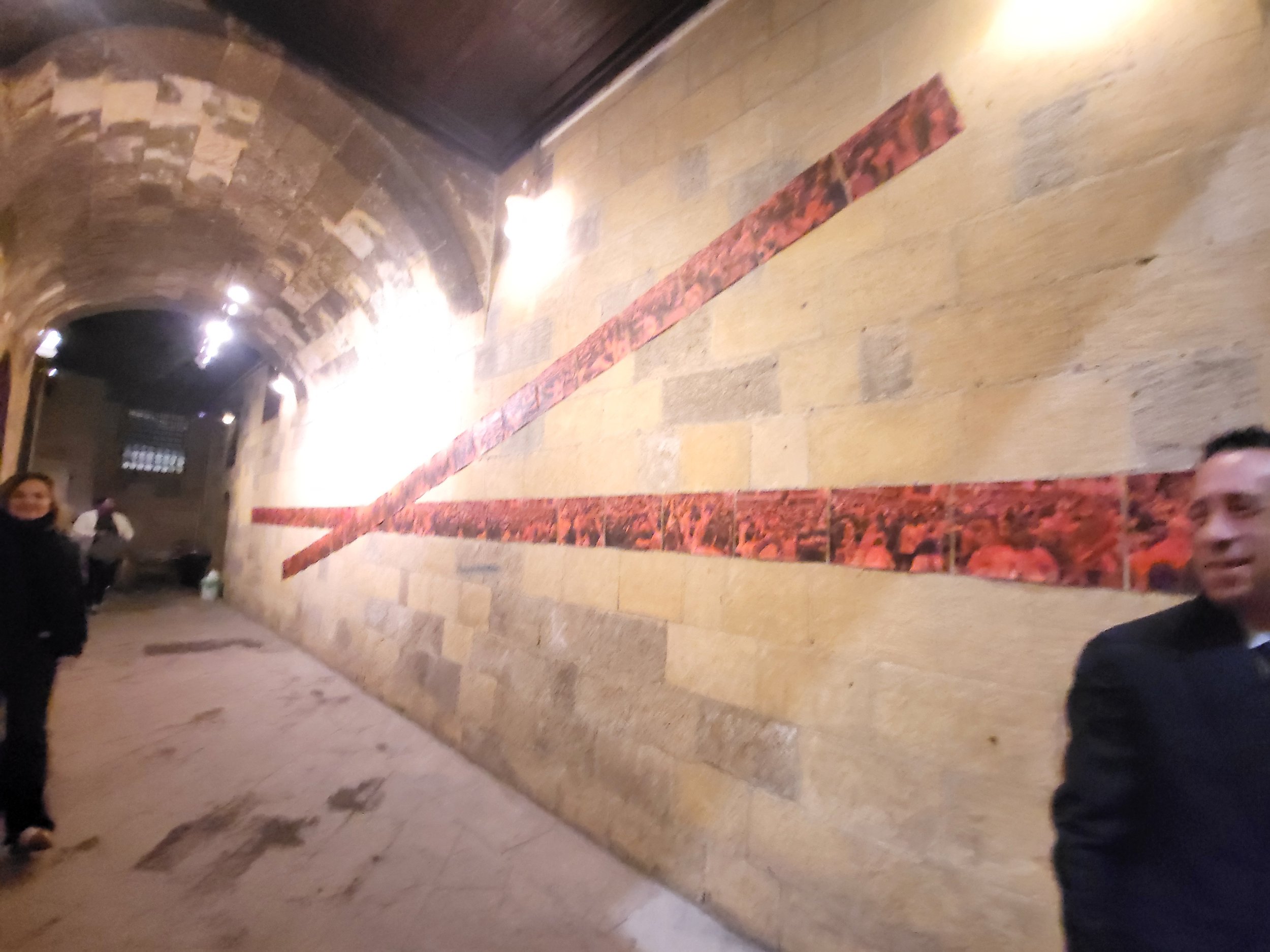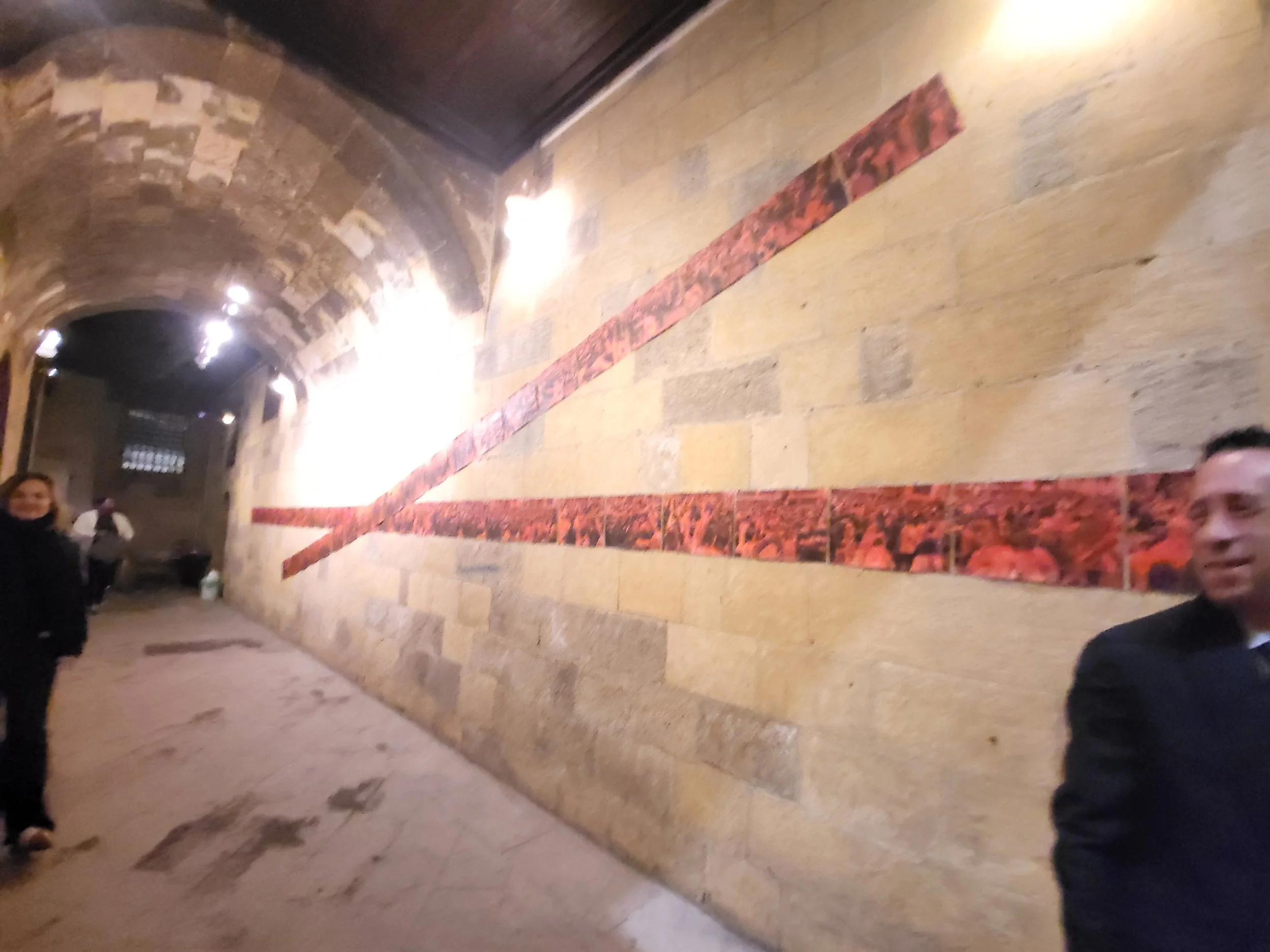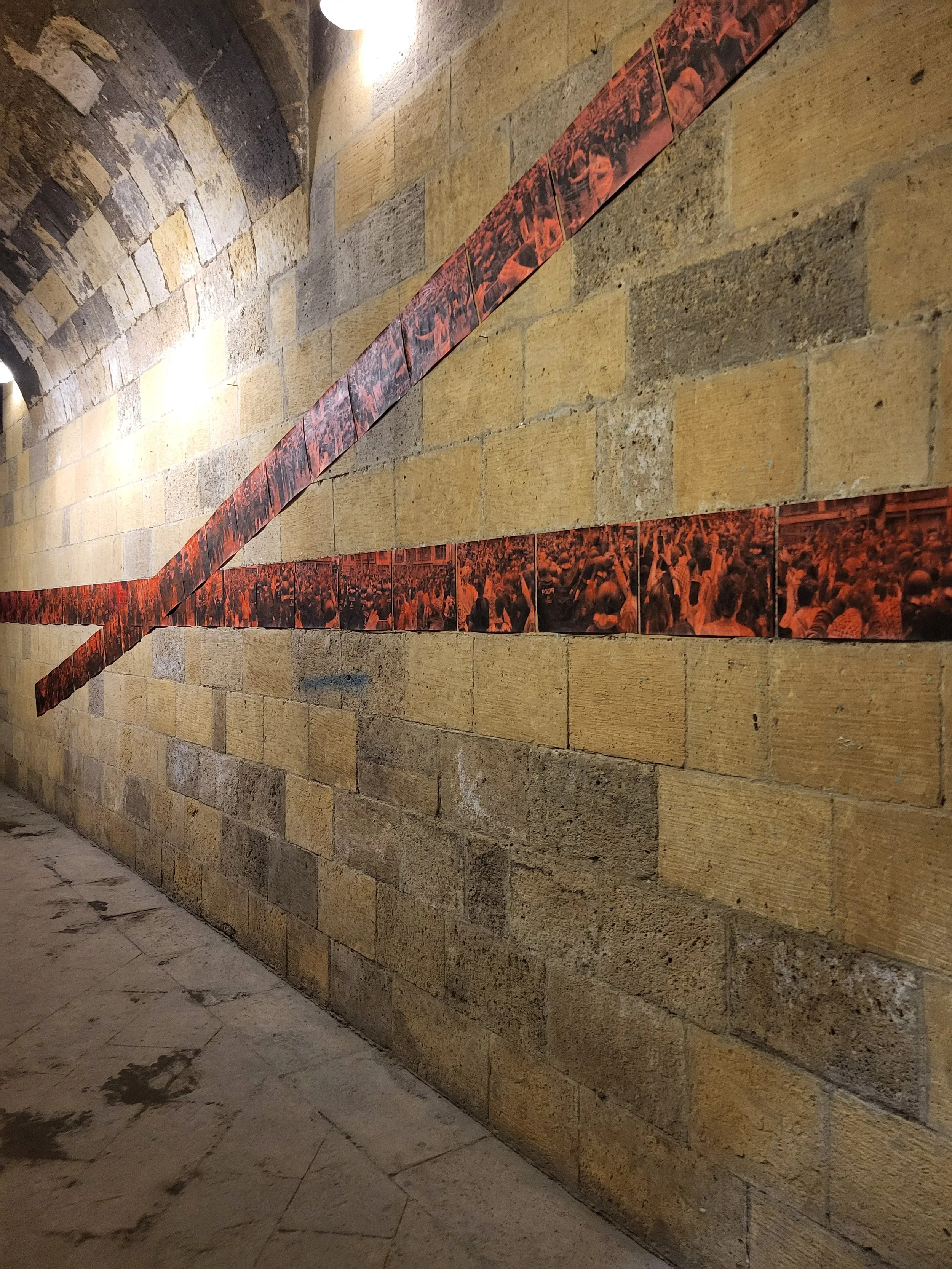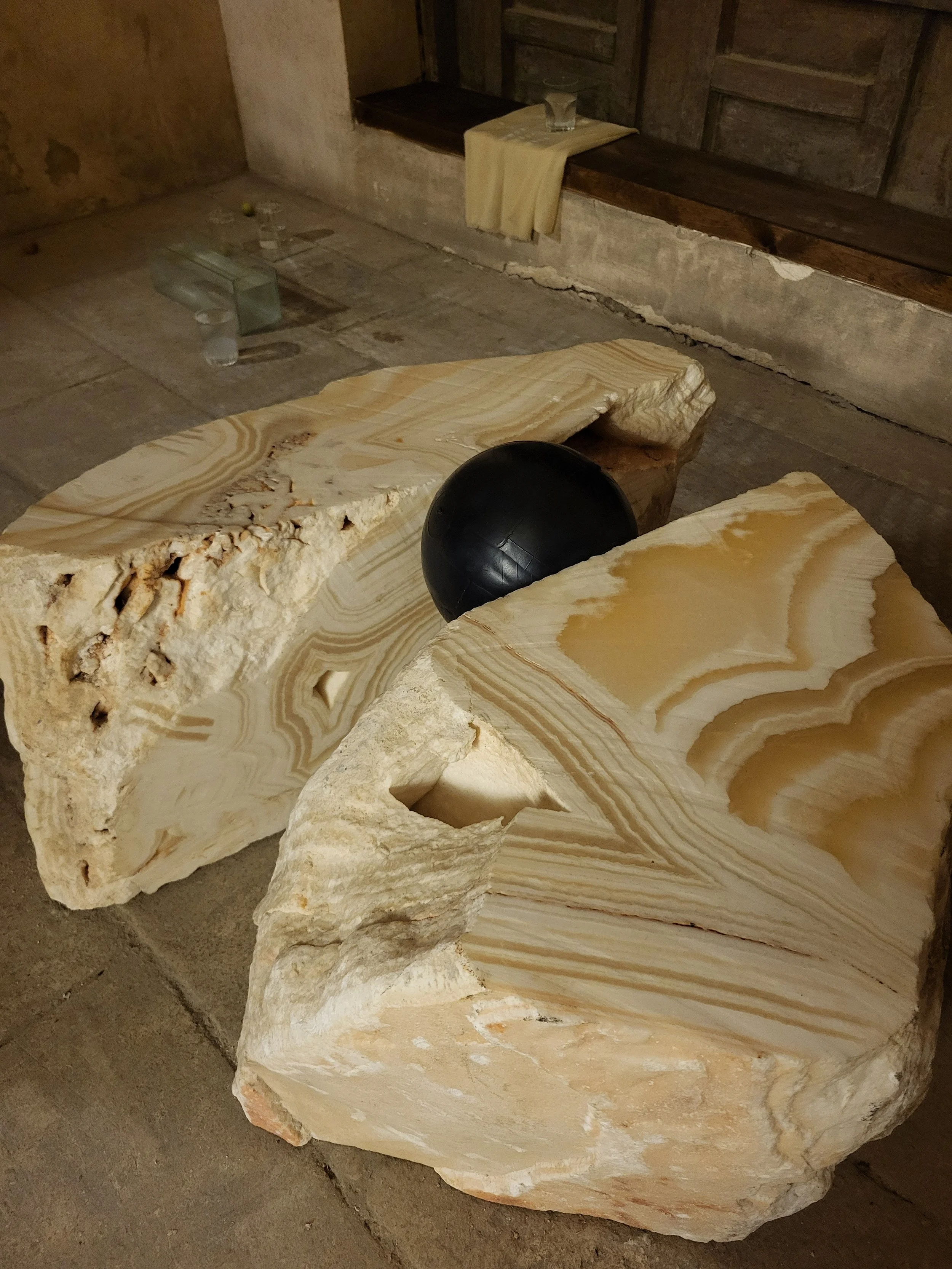
NO PROBLEM: THE PEOPLE
NO PROBLEM: THE PEOPLE
مفيش مشكلة: الناس
(Mafeesh Moshkela: El-Nas)
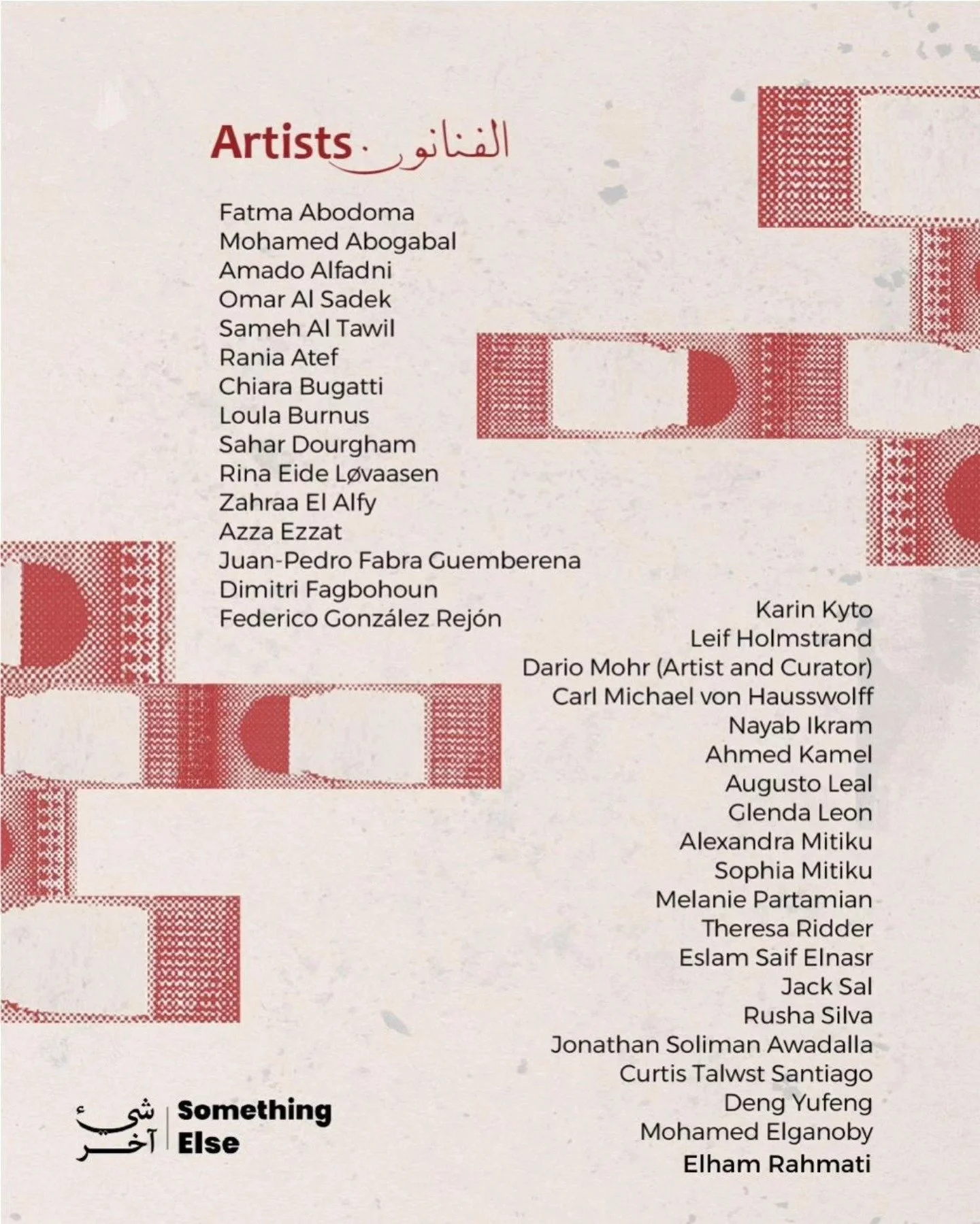
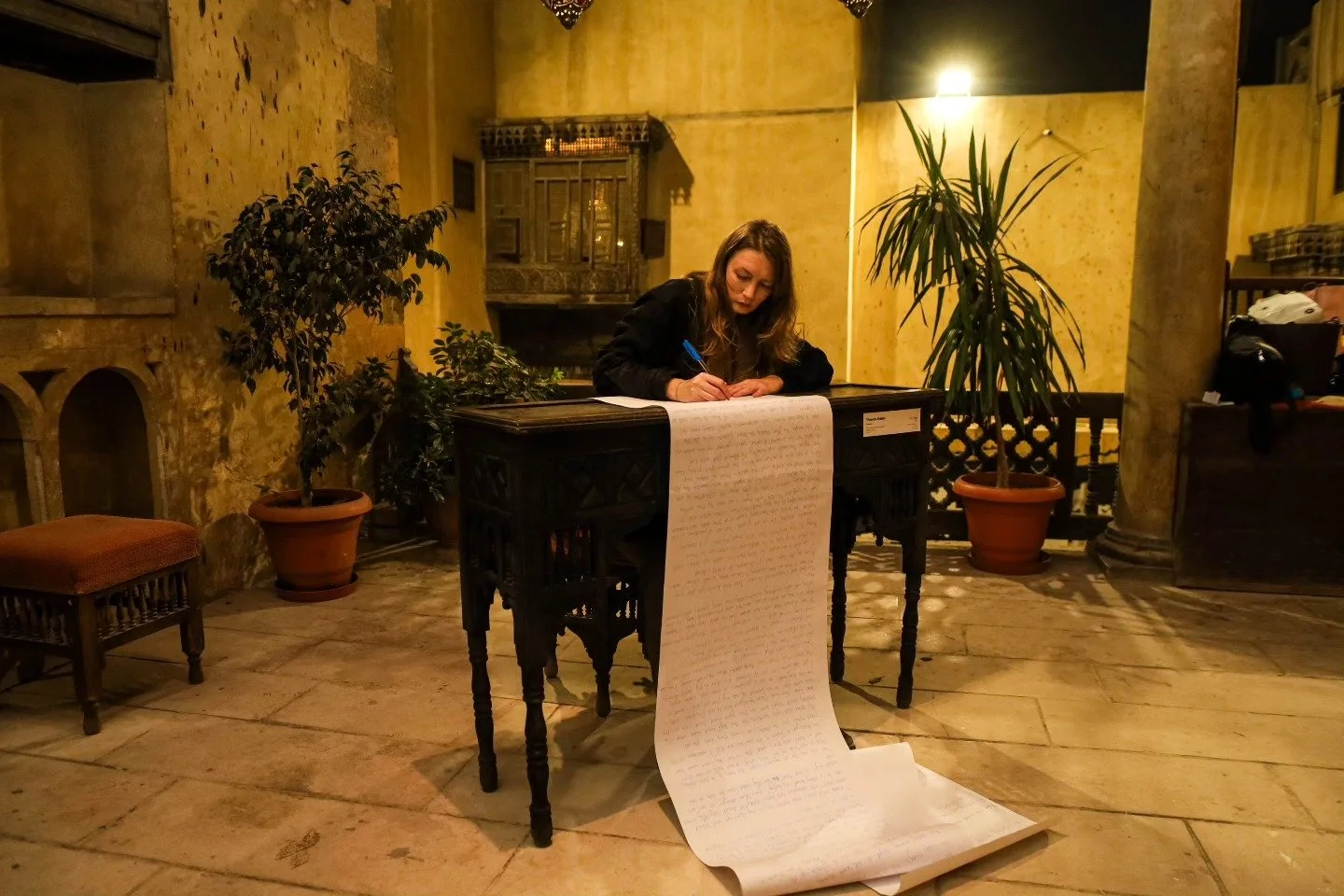
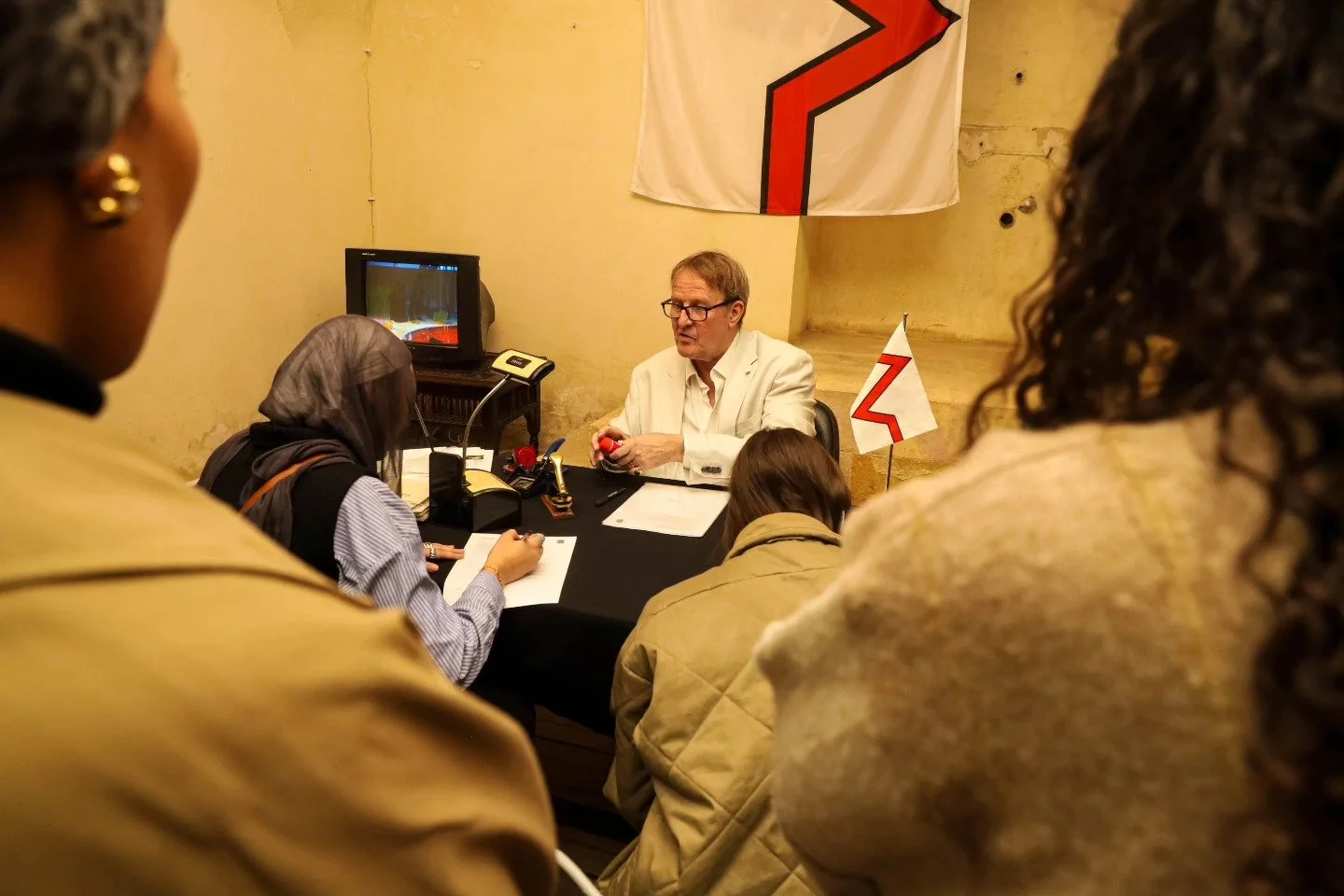
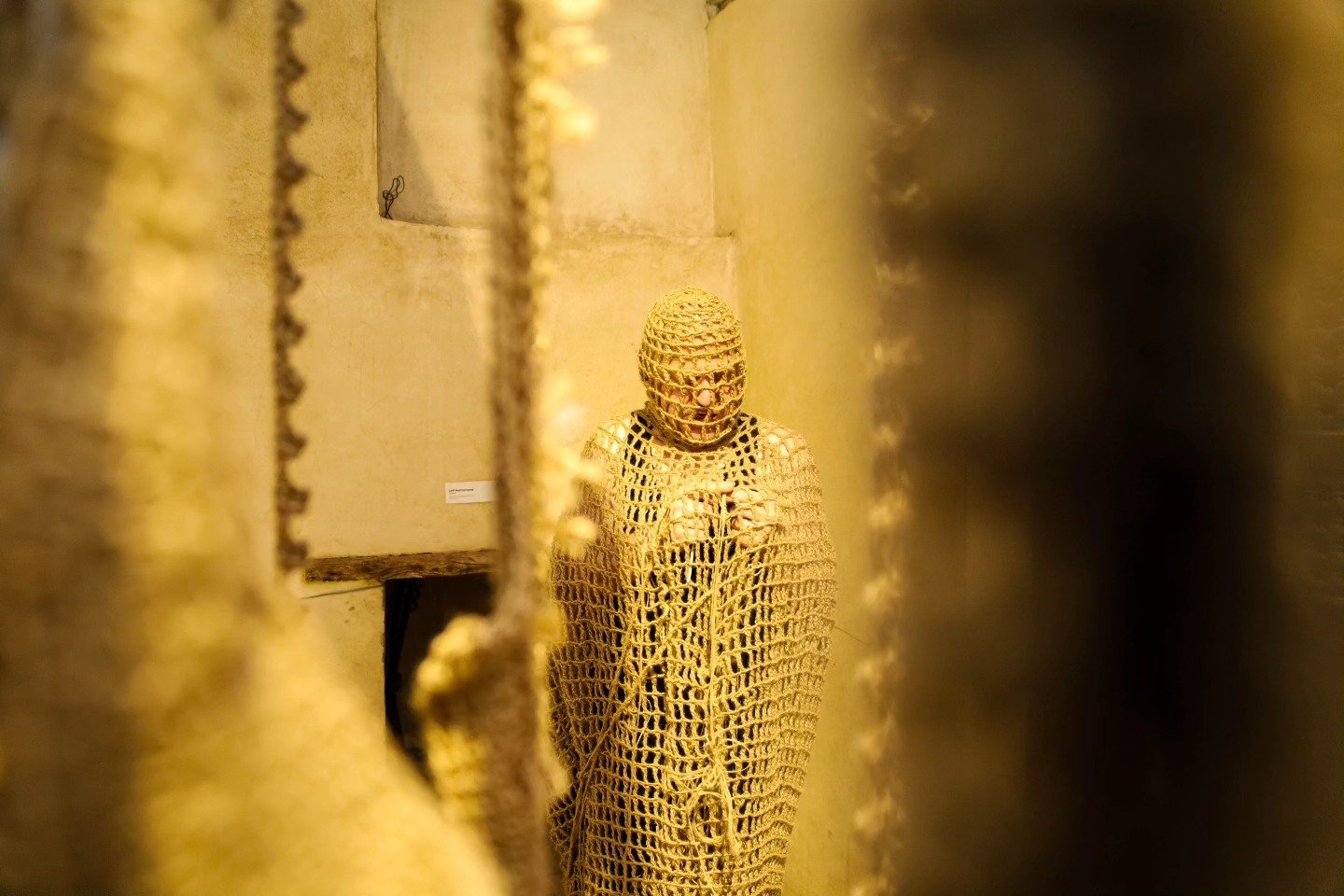
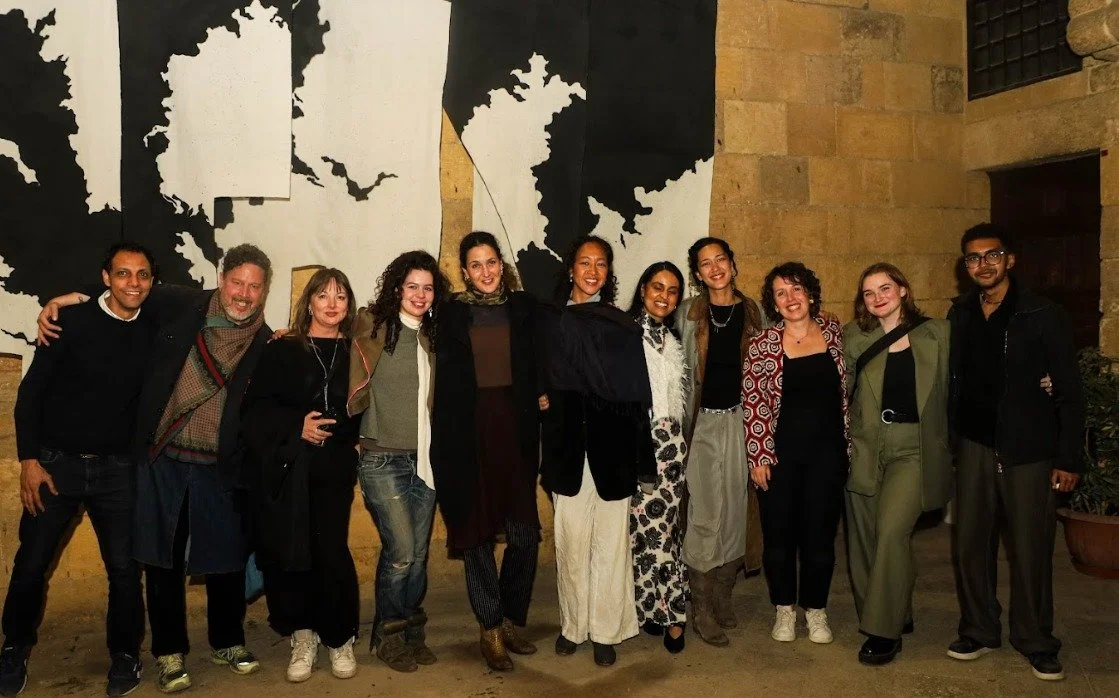
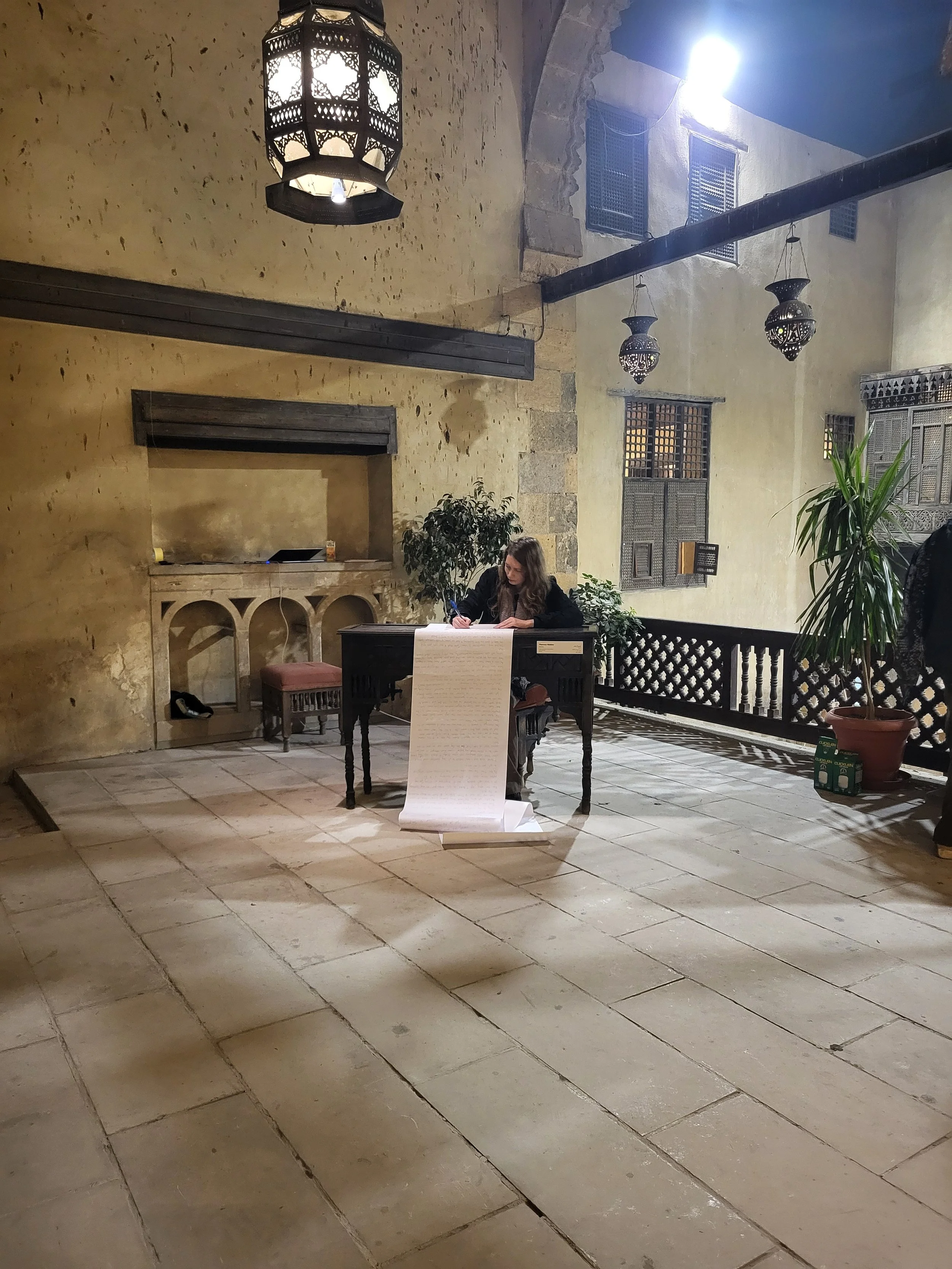
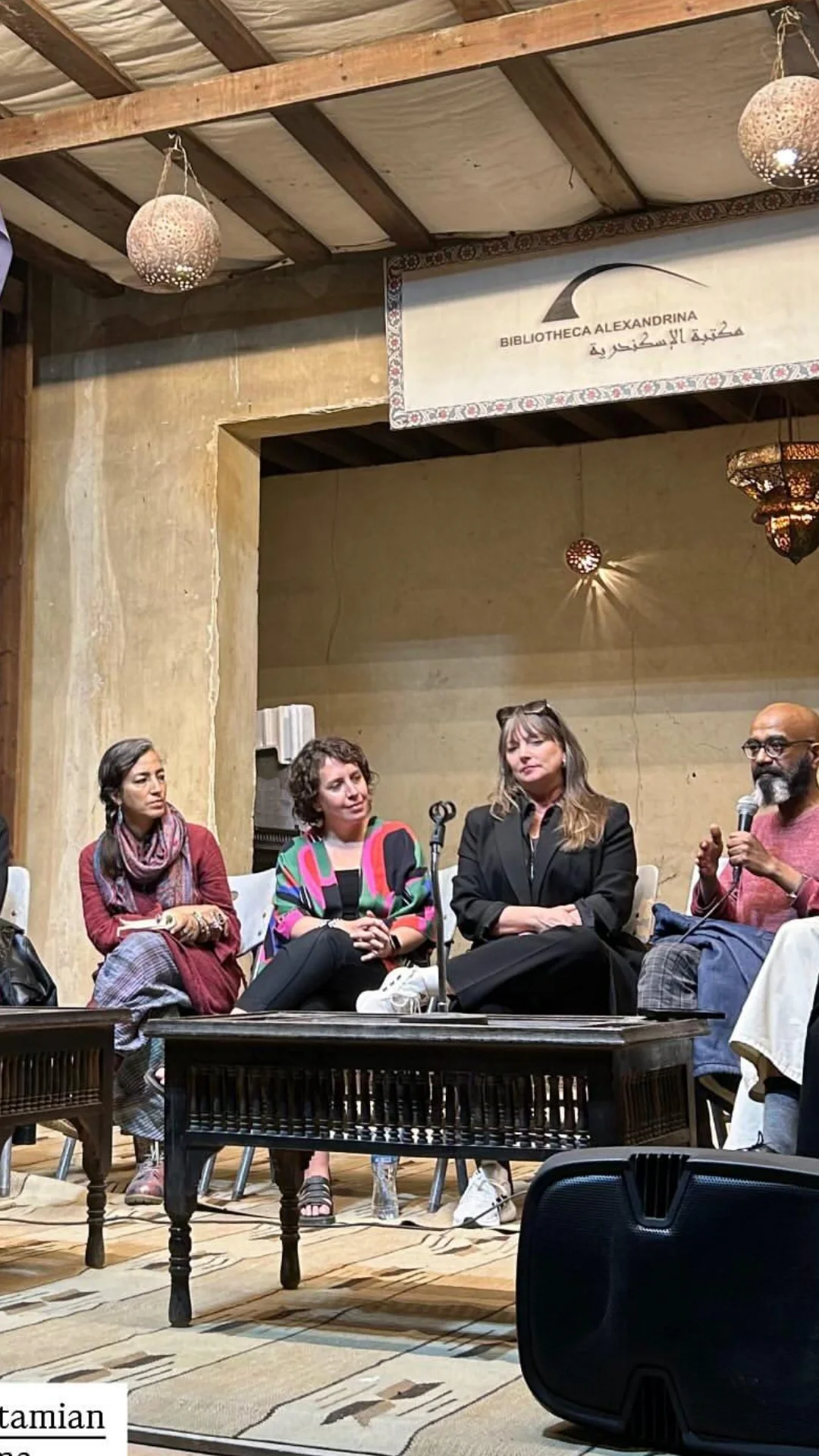
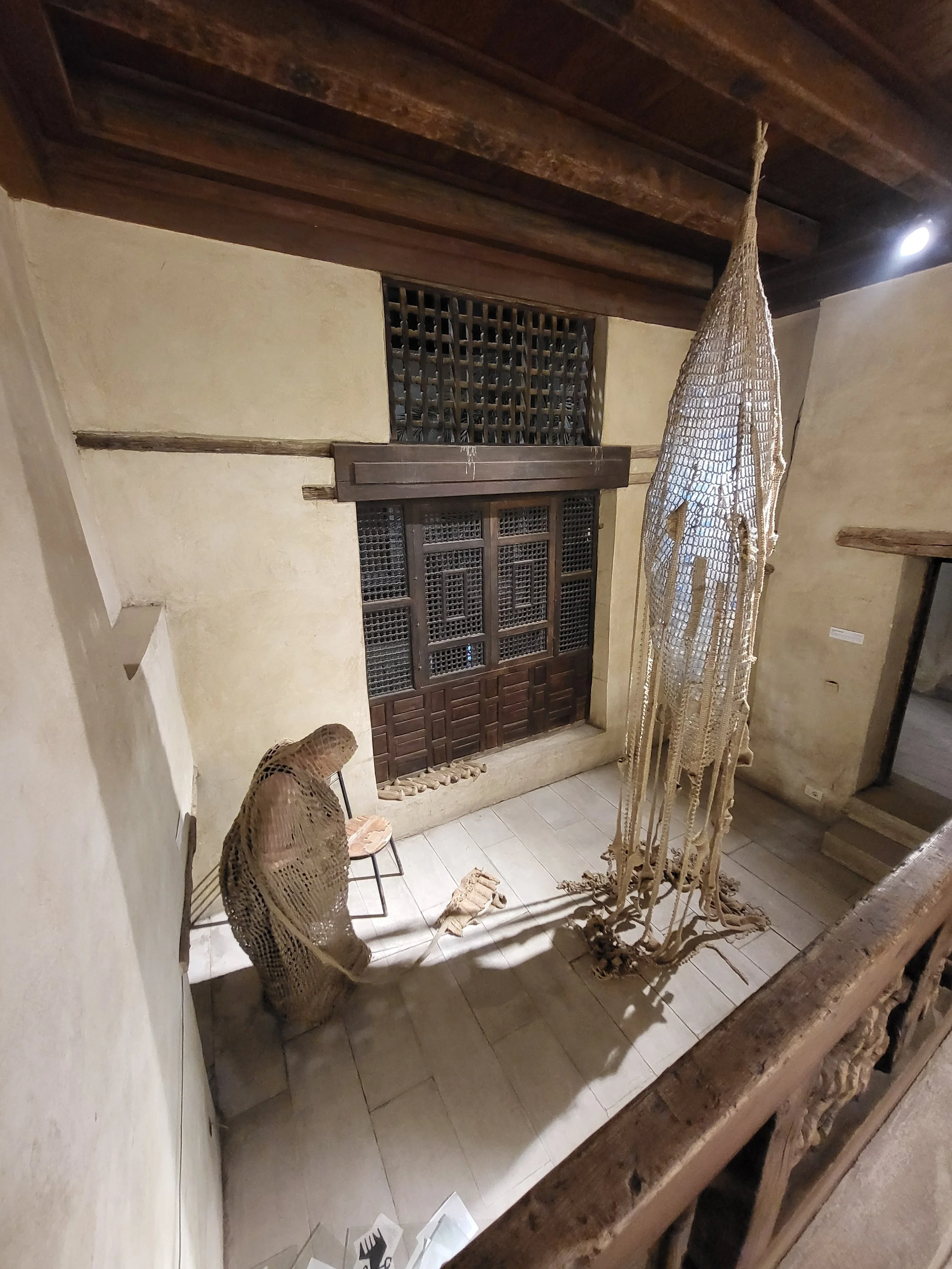
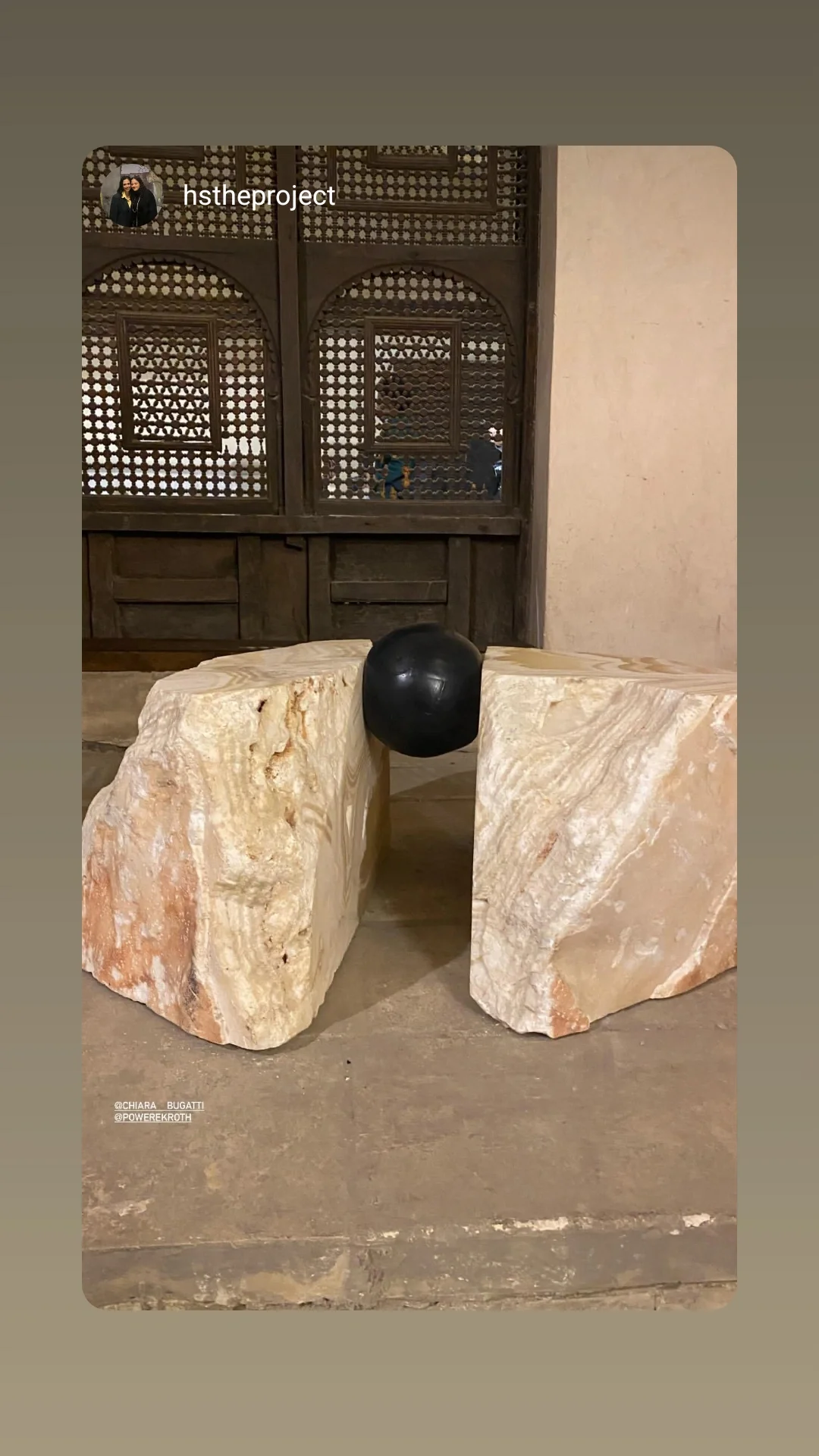
Artists: Chiara Bugatti, Rina Eide Løvaasen, Juan-Pedro Fabra Guemberena, Carl Michael von Hausswolff, Leif Holmstrand, Federico González Rejón, Theresa Ridder
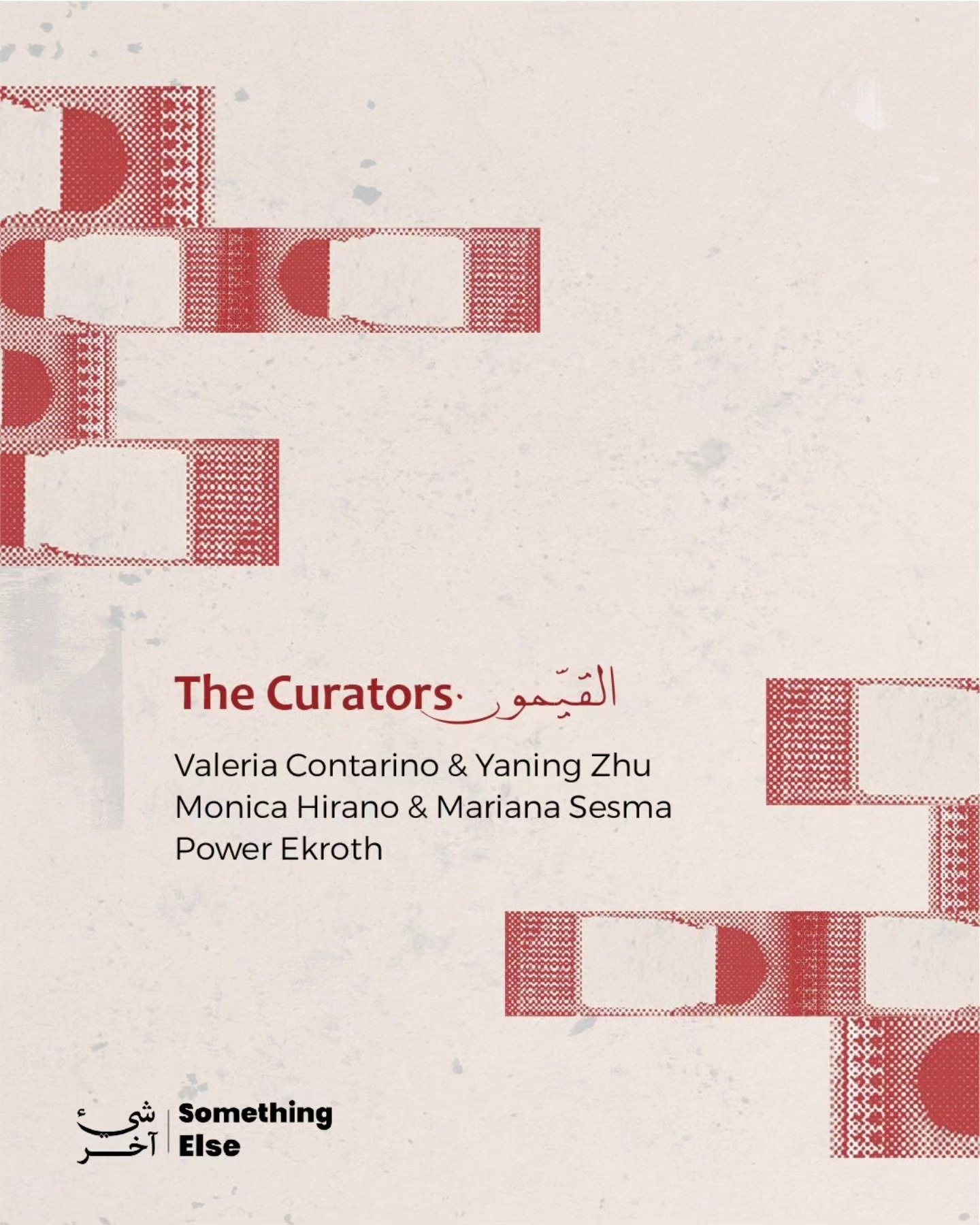
Curator: Power Ekroth
WITH TREMENDOUS INPUT FROM:
MOATAZ NASR, KAT LEWIS, SHERIFF ABO NIAZ, NOURHAN ELMELIGY, OLI BONZANIGO, INGEBORG GUEMBERENA SHUTRICK, ALI ABDEL RAHMAN, MUSTAPHA NAGEH, MOHAMED NAGEH AND MORE
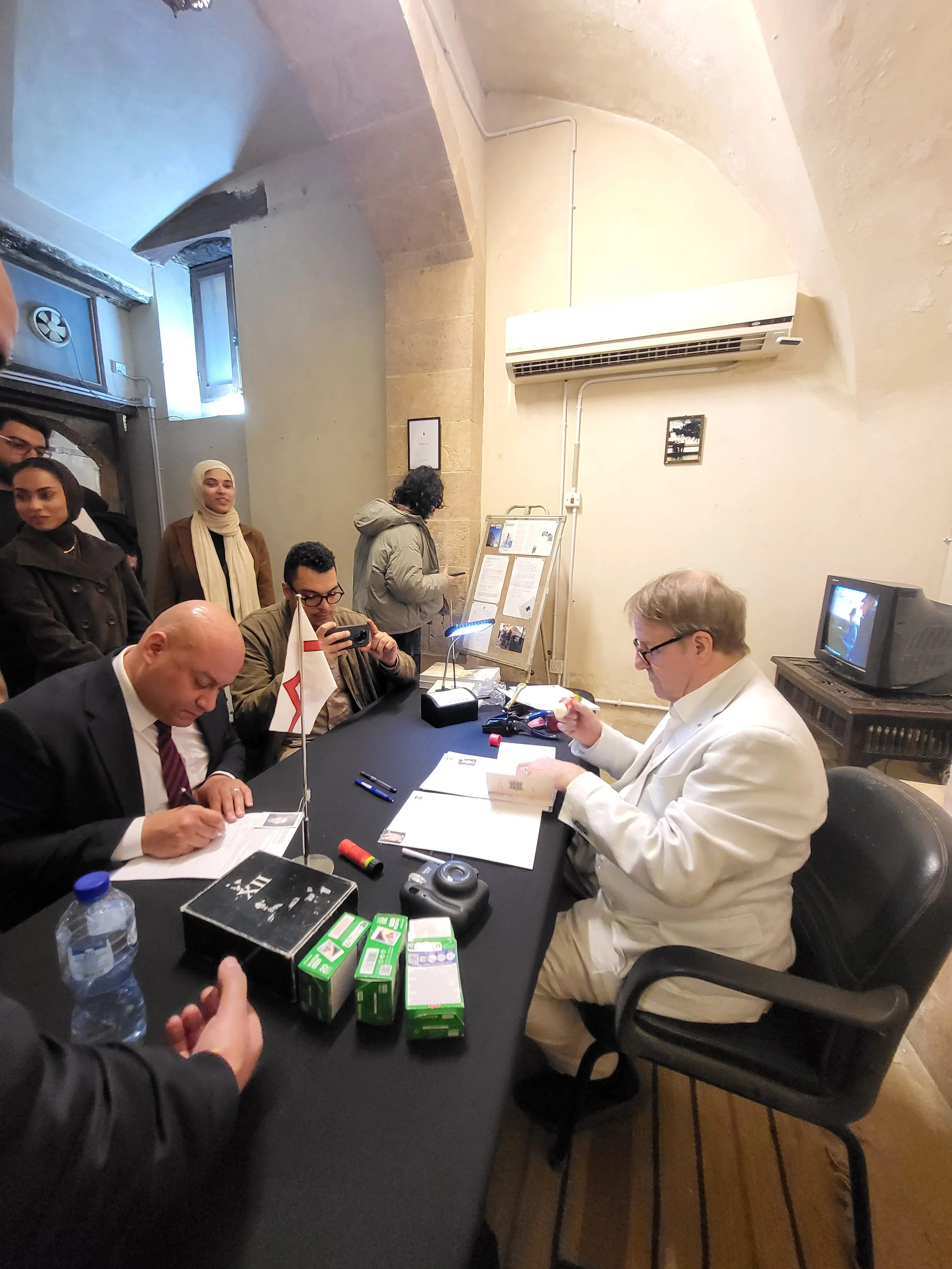
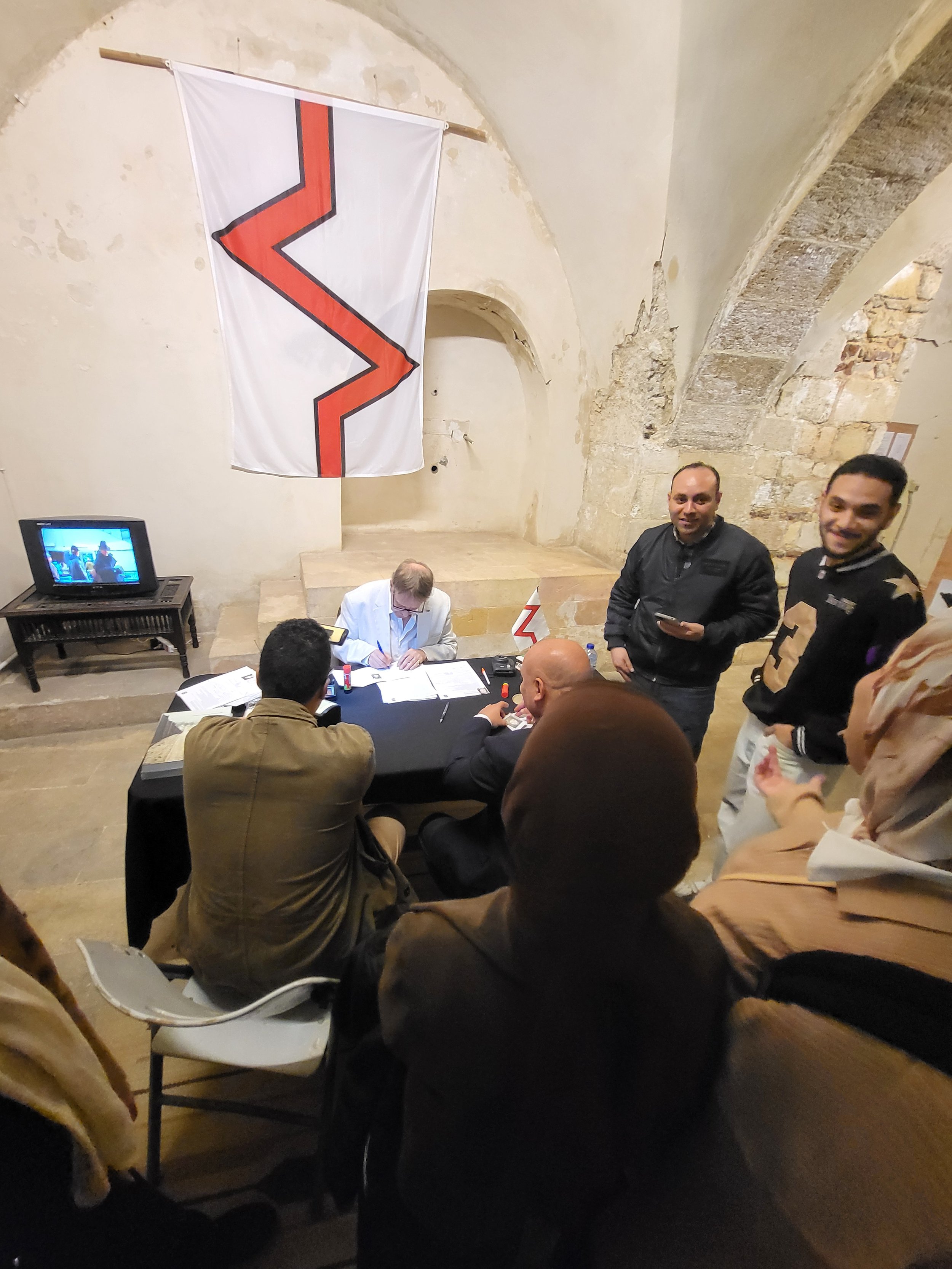
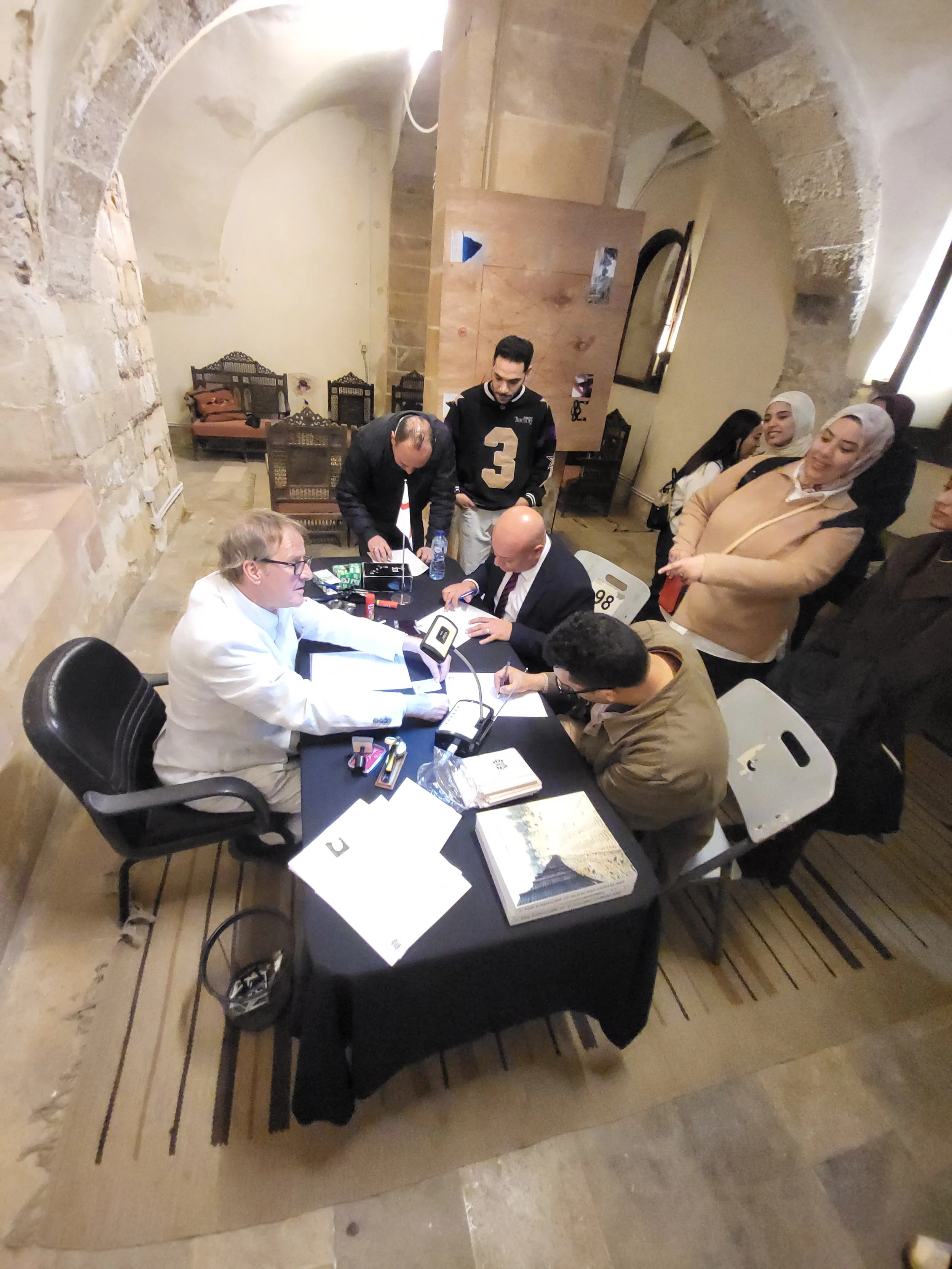
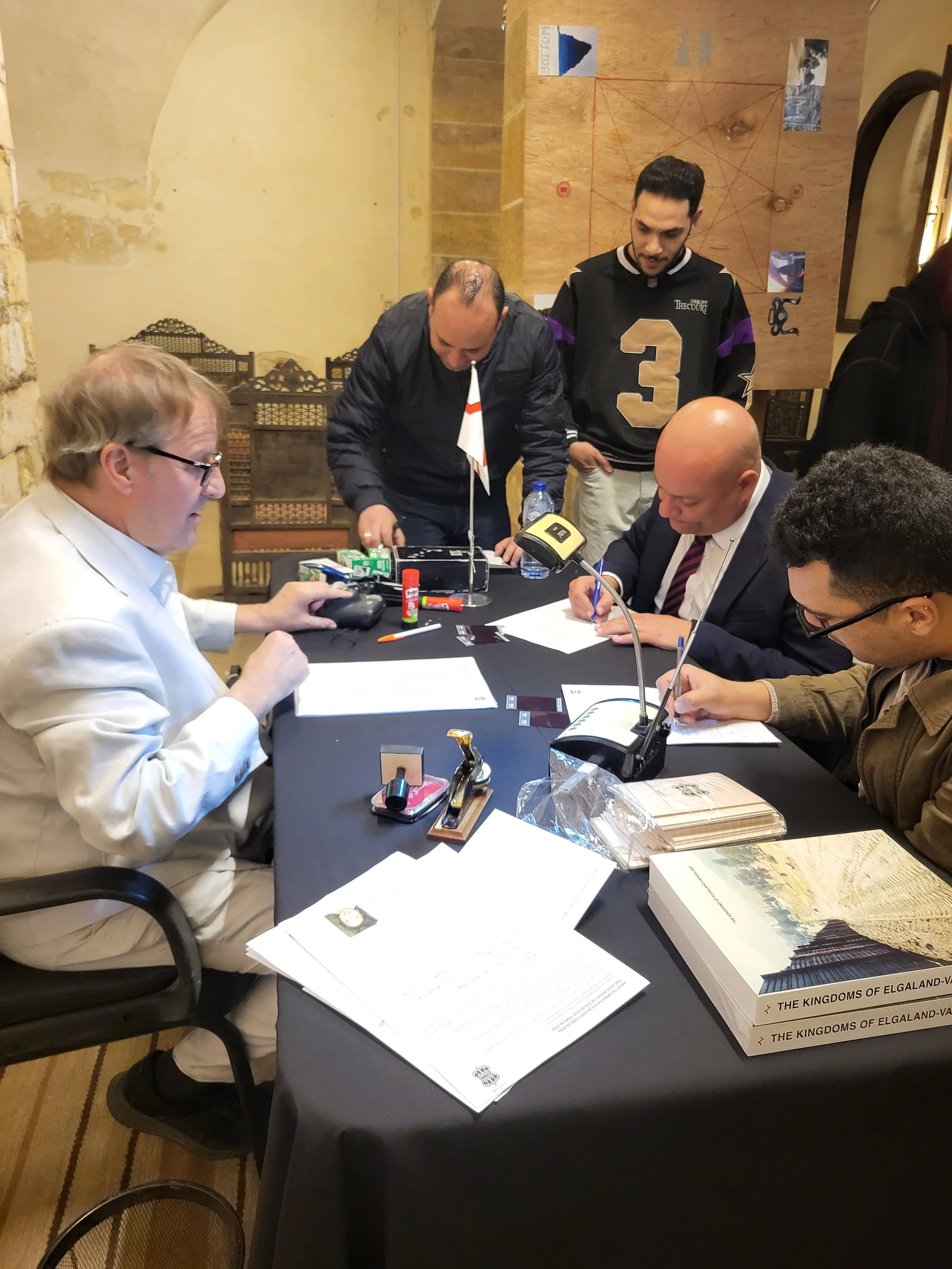
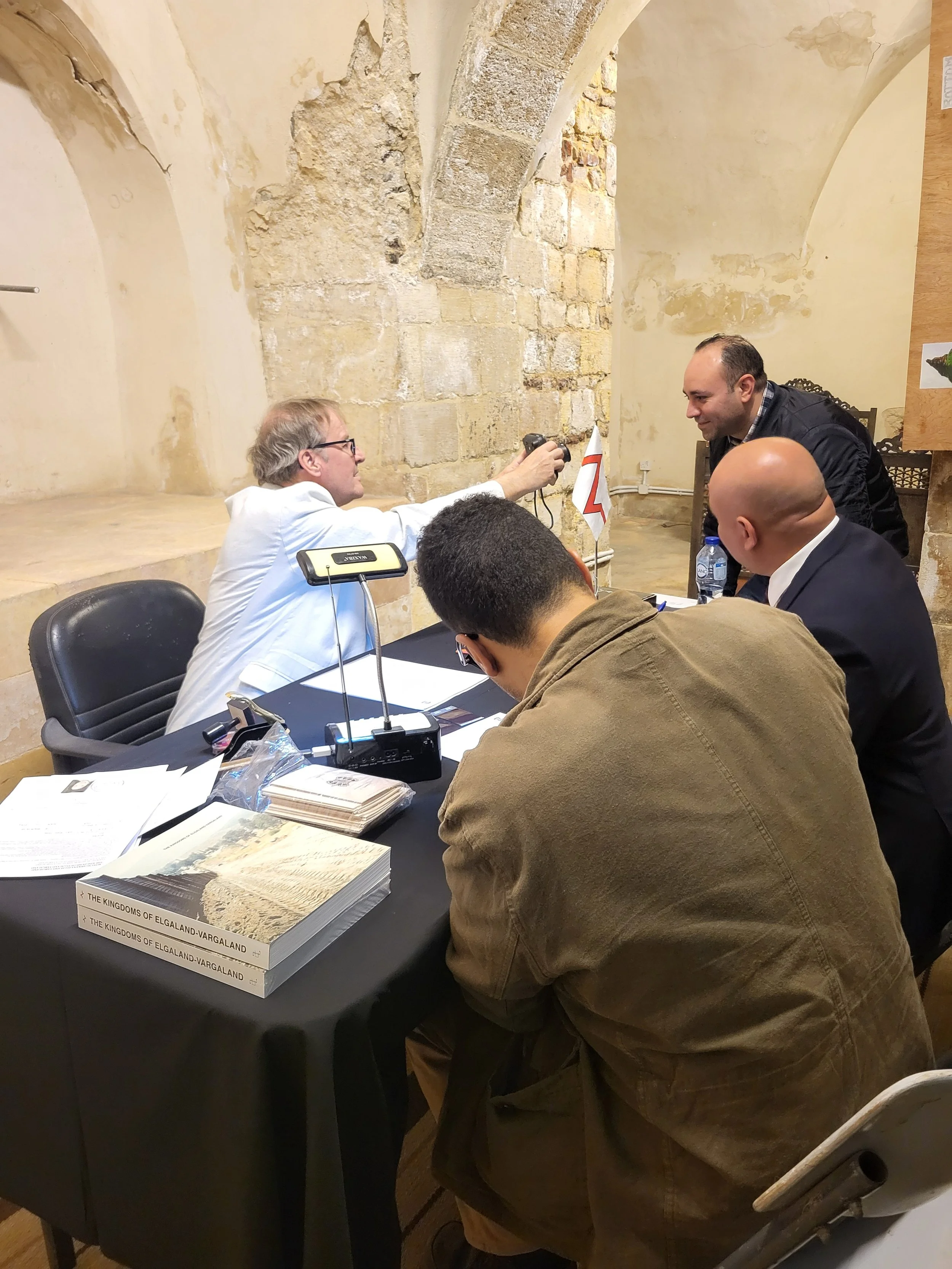
NO PROBLEM: THE PEOPLE is rooted in long-term relationships developed through sustained work in Cairo. Over many years of working in Cairo, trust has been built not only with artists, but also with technicians, caretakers, administrators, and cultural workers whose knowledge is practical, embodied, and situational. These relationships form the real infrastructure through which work becomes possible. In a cultural system that prioritizes visibility, authorship, and finished outcomes, this labor is often taken for granted or rendered invisible. This project treats it as central.
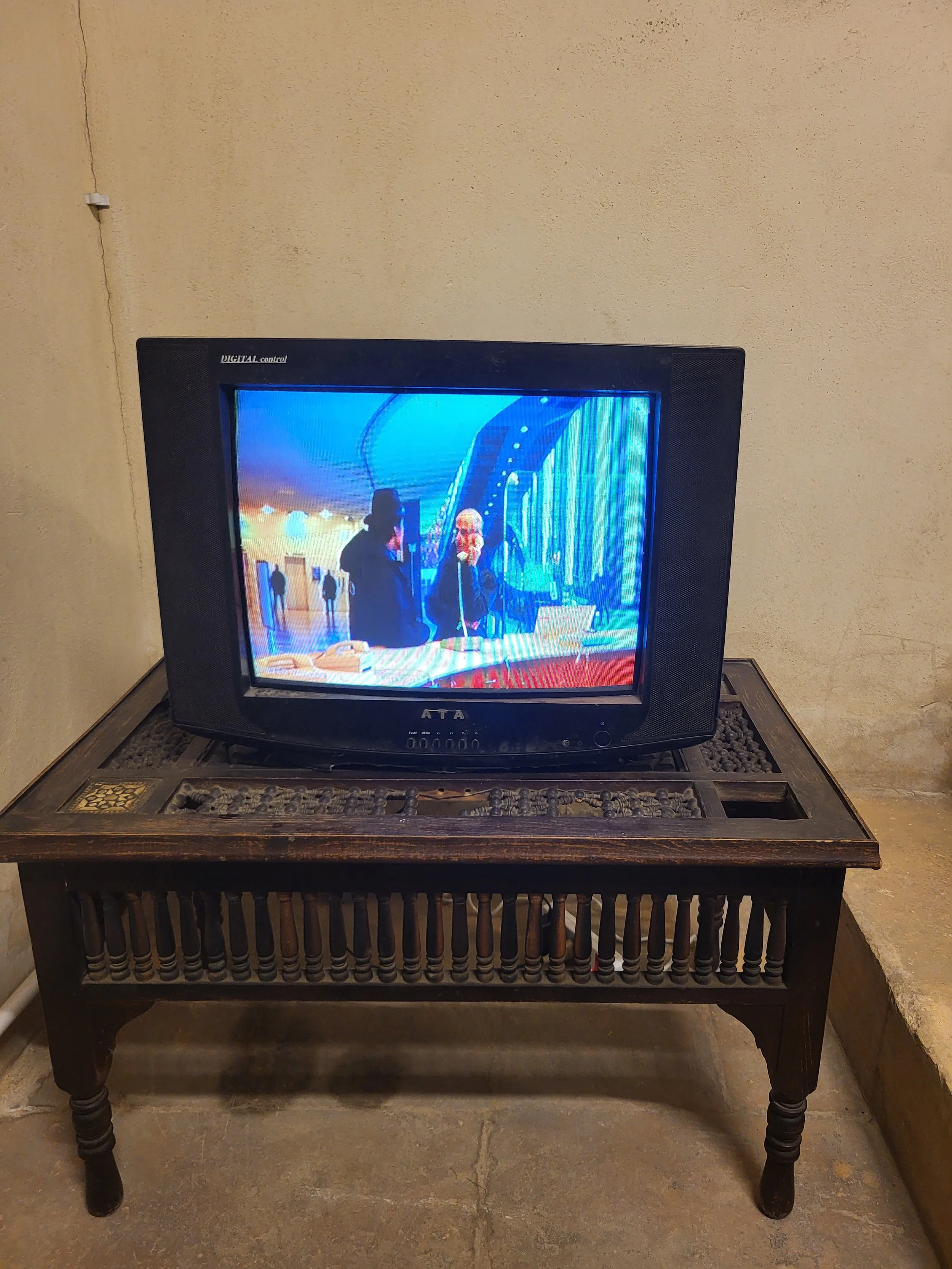
The exhibition takes its title from an expression frequently heard in Cairo: “no problem, the people.” The phrase does not deny difficulty; it names a way of living with it. It emerges in a context where political, social, and economic constraints shape everyday life, and where visibility, safety, and recognition cannot be taken for granted. Responsibility is therefore shifted from the individual to the collective. Problems are carried, negotiated, and resolved through informal networks of trust, discretion, and mutual reliance—often operating below the threshold of official systems.
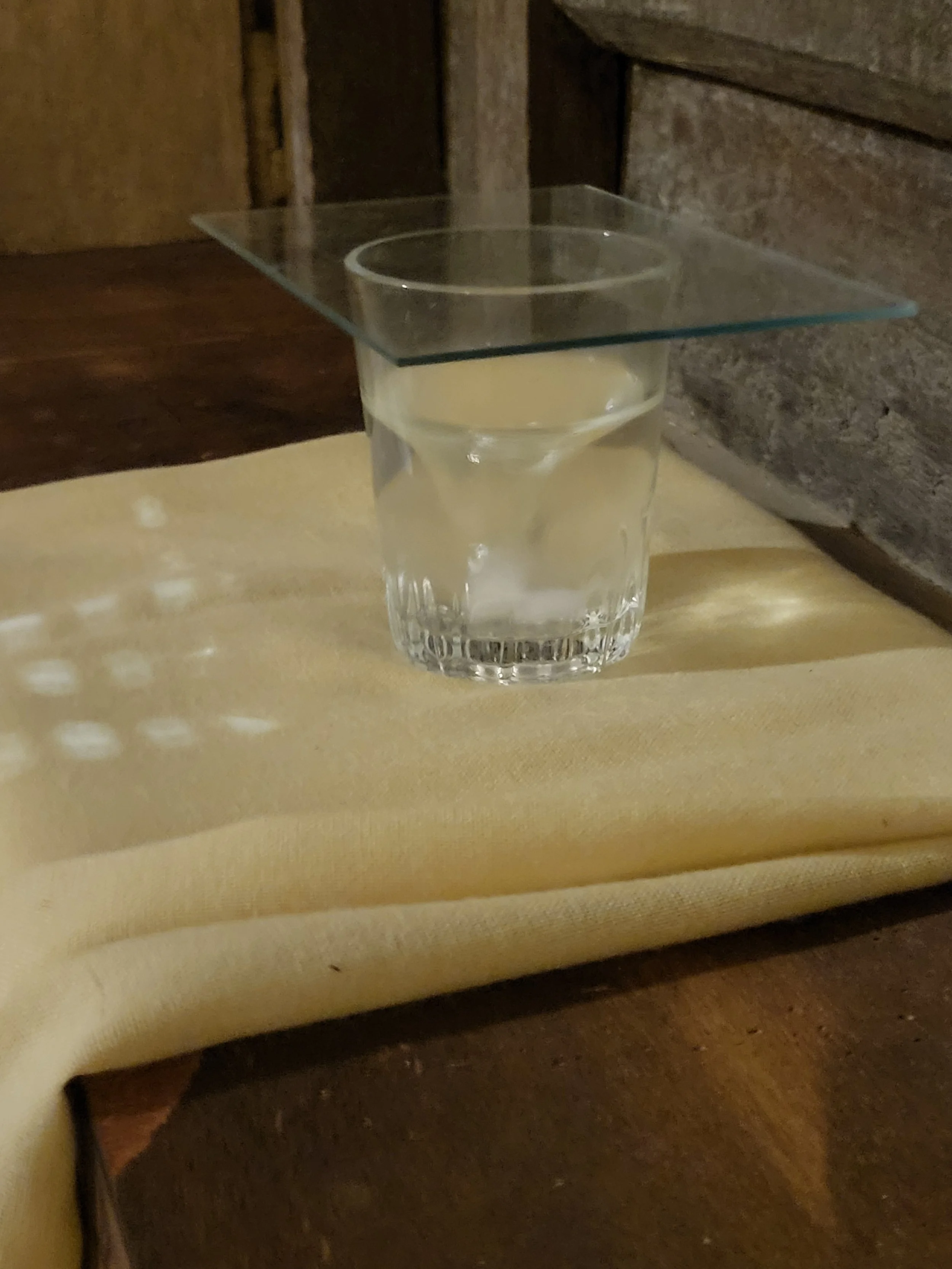
Here, the people refers to a concrete and situated collective: artists, technicians, fabricators, managers, administrators, neighbours, and friends. It also includes non-human presences: cats moving through exhibition spaces, dogs marking entrances, animals shaping the rhythm of daily life. Humans appear as part of a shared ecology of labor, care, and coexistence.
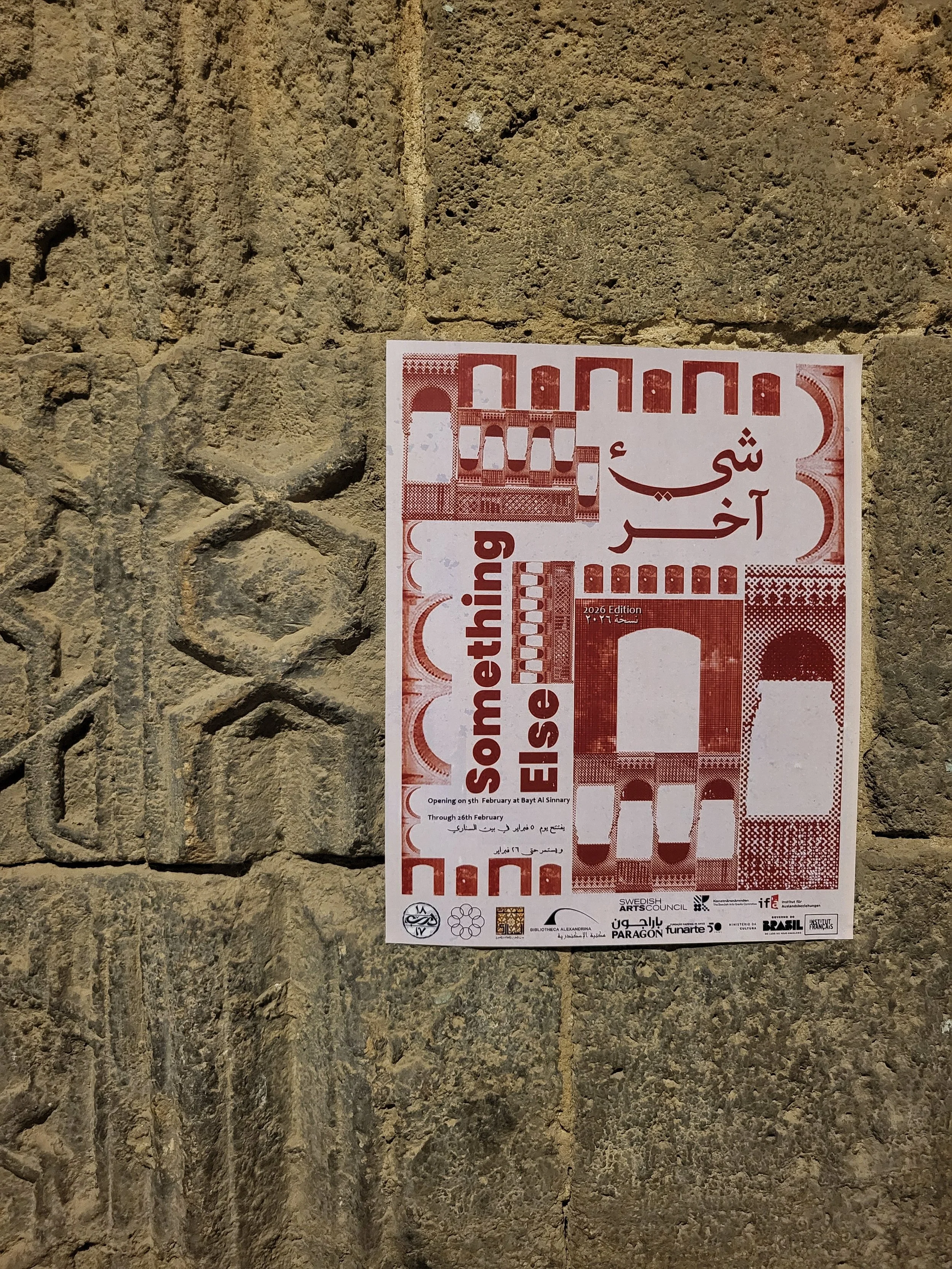
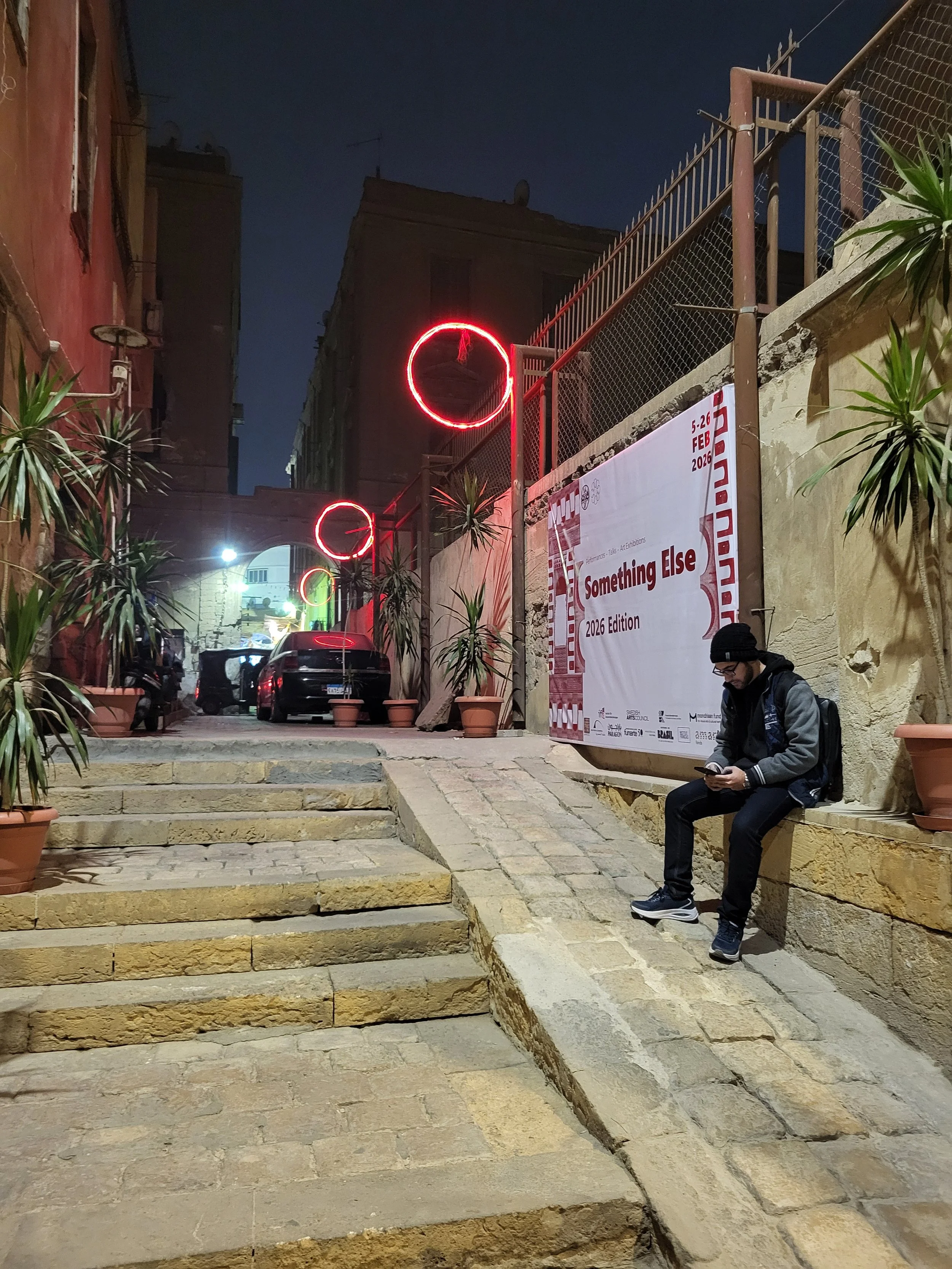
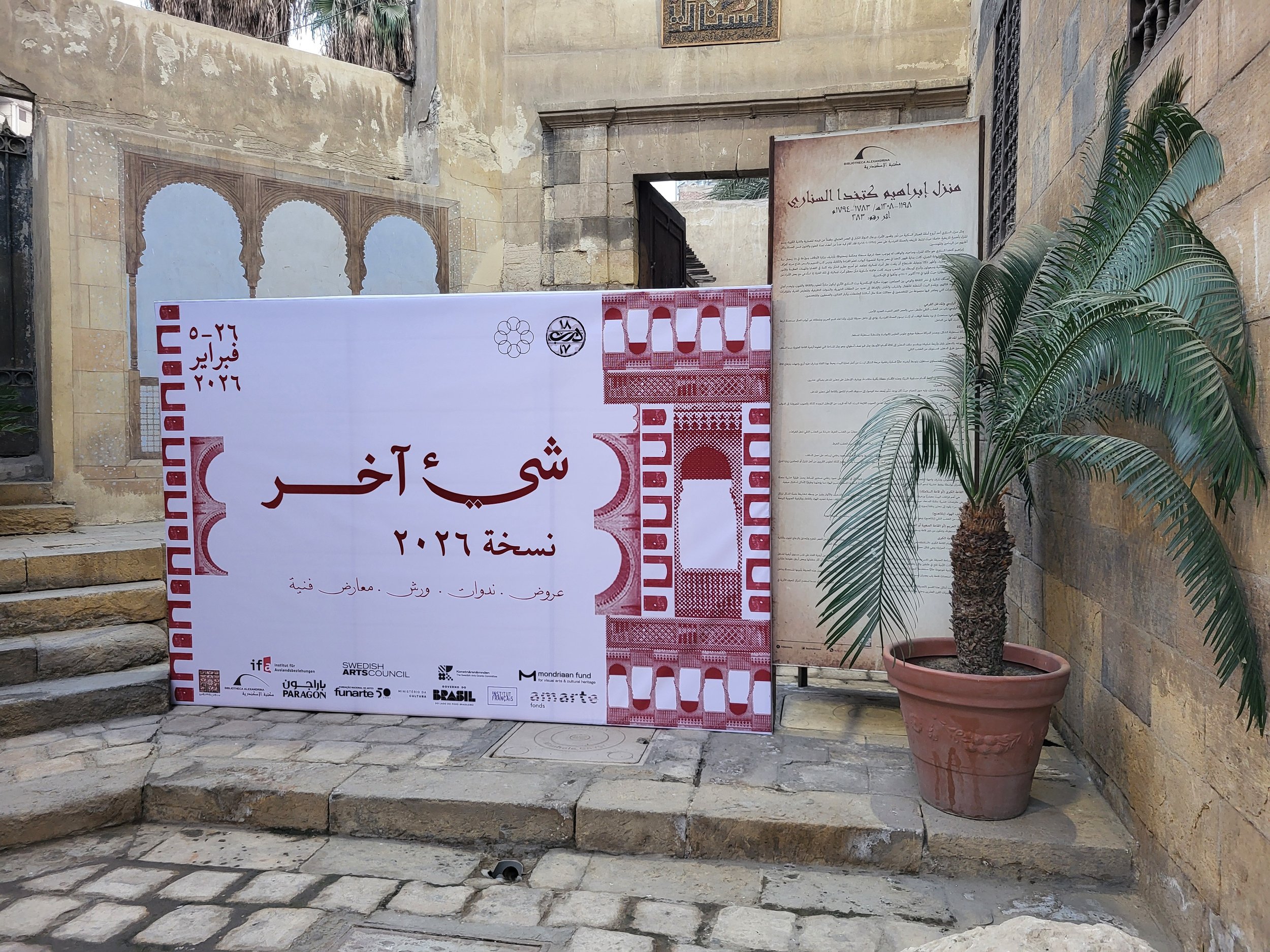
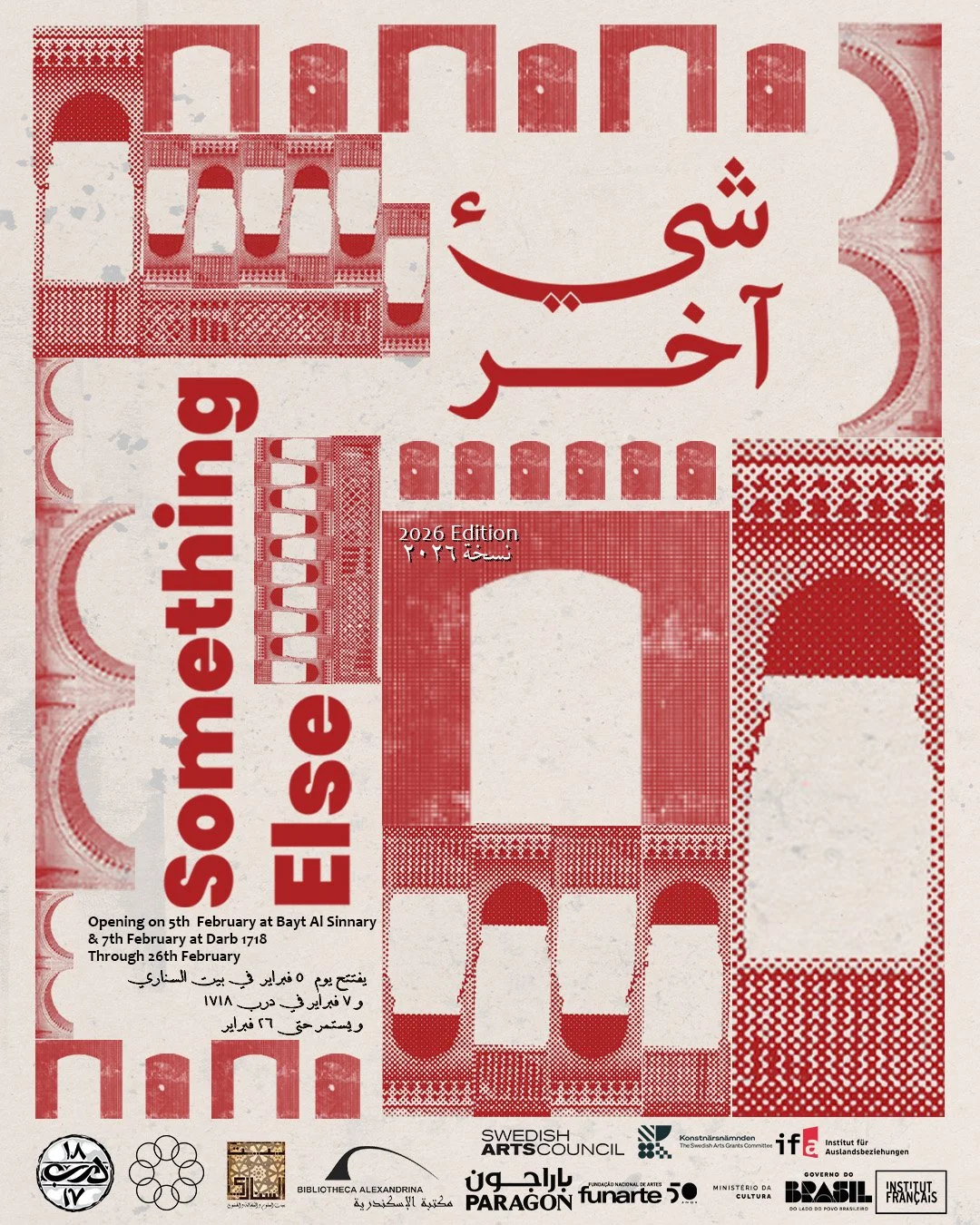
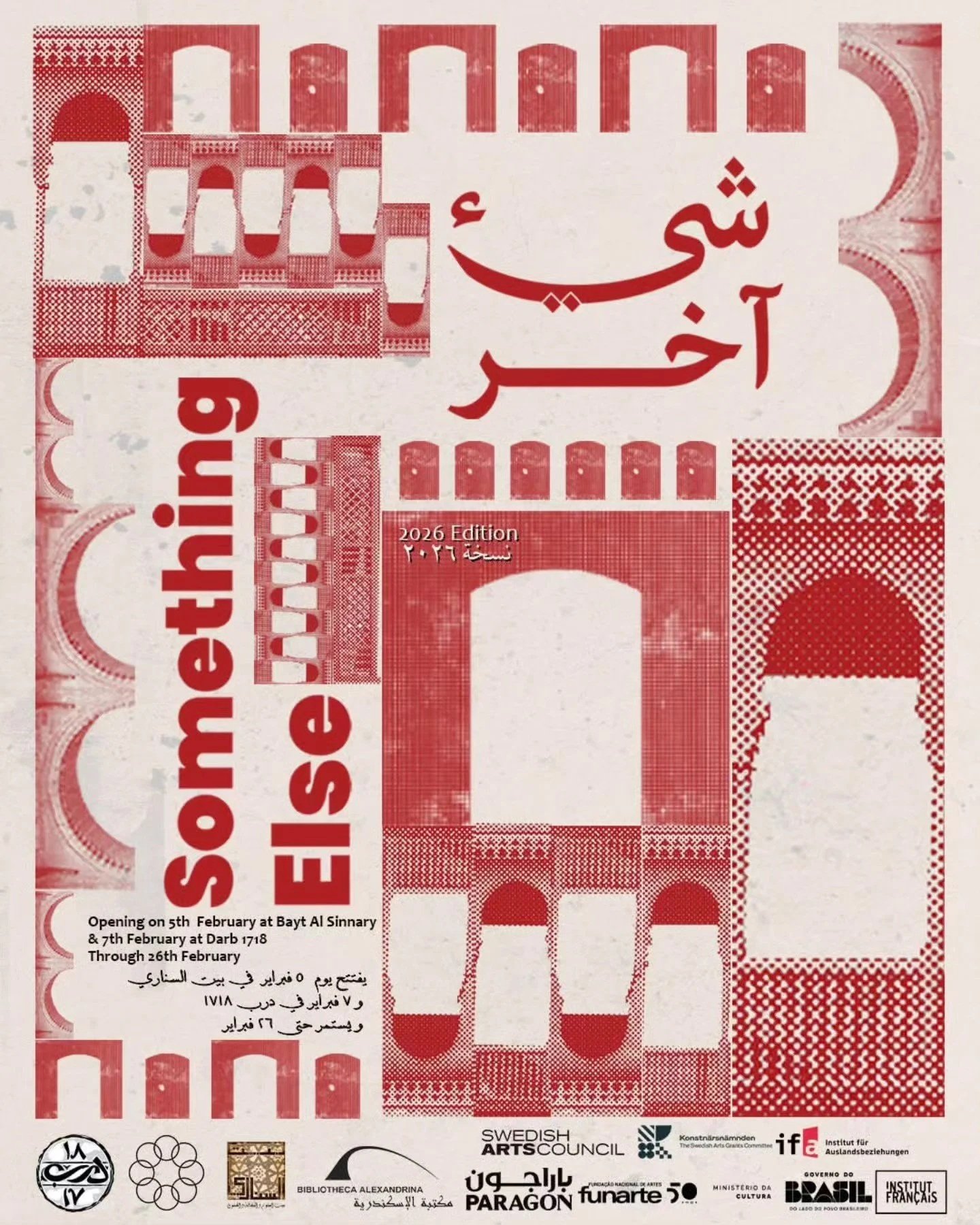
The exhibition is developed as part of Something Else IV: Emancipate Yourself from Mental Slavery, curated by Simon Njami and hosted by DARB 1718 across Darb’s exhibition spaces and Beyt al Sinnari. Within this framework, emancipation is understood as a sustained capacity to continue working, adapting, and relying on others within a fractured and unequal world.
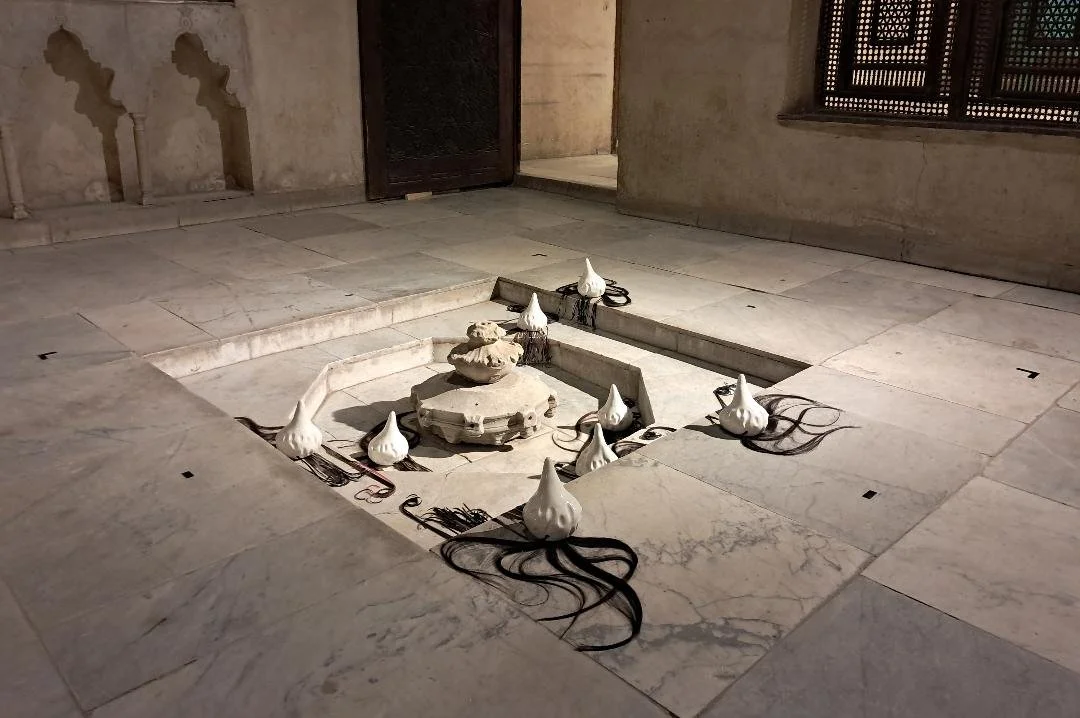
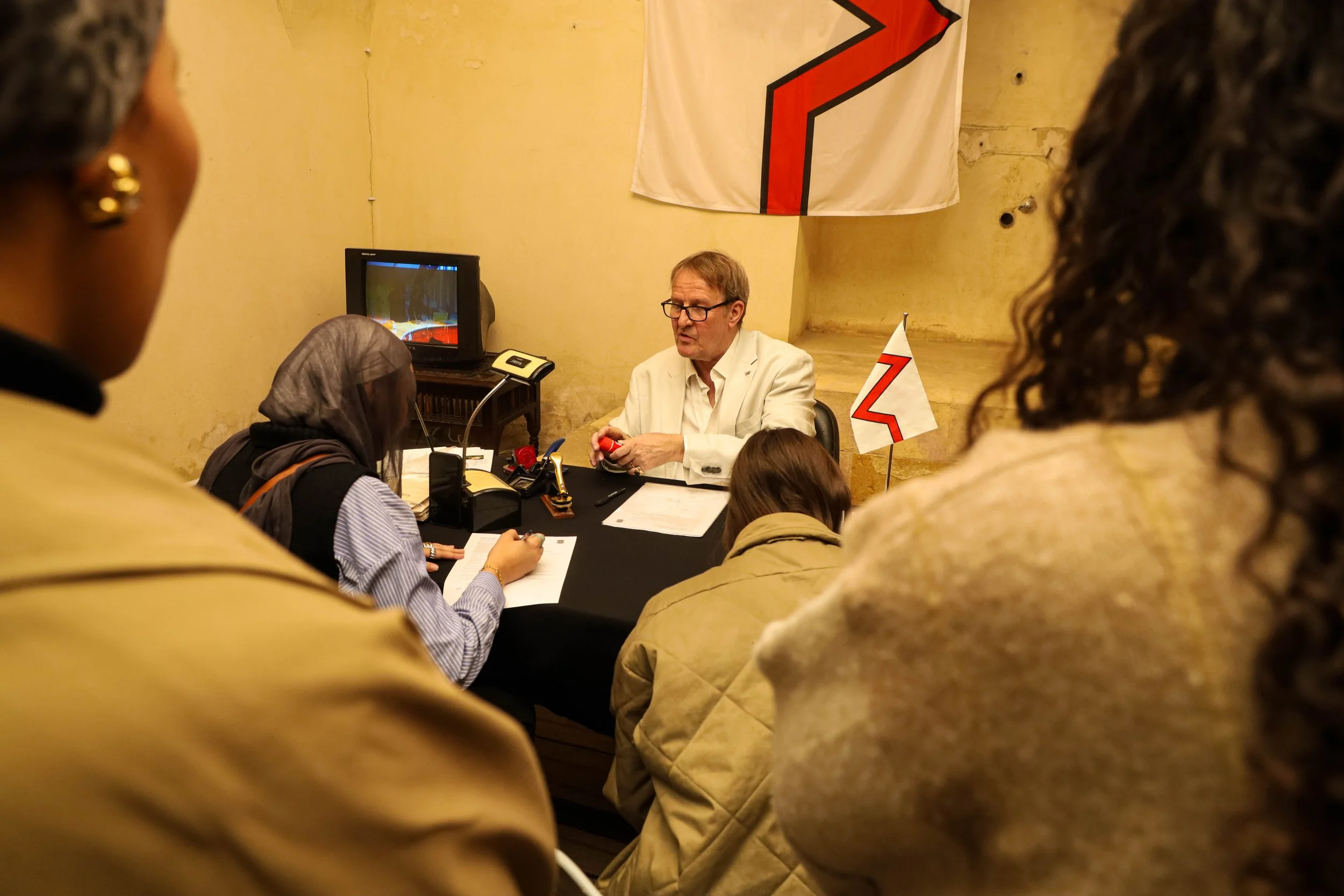
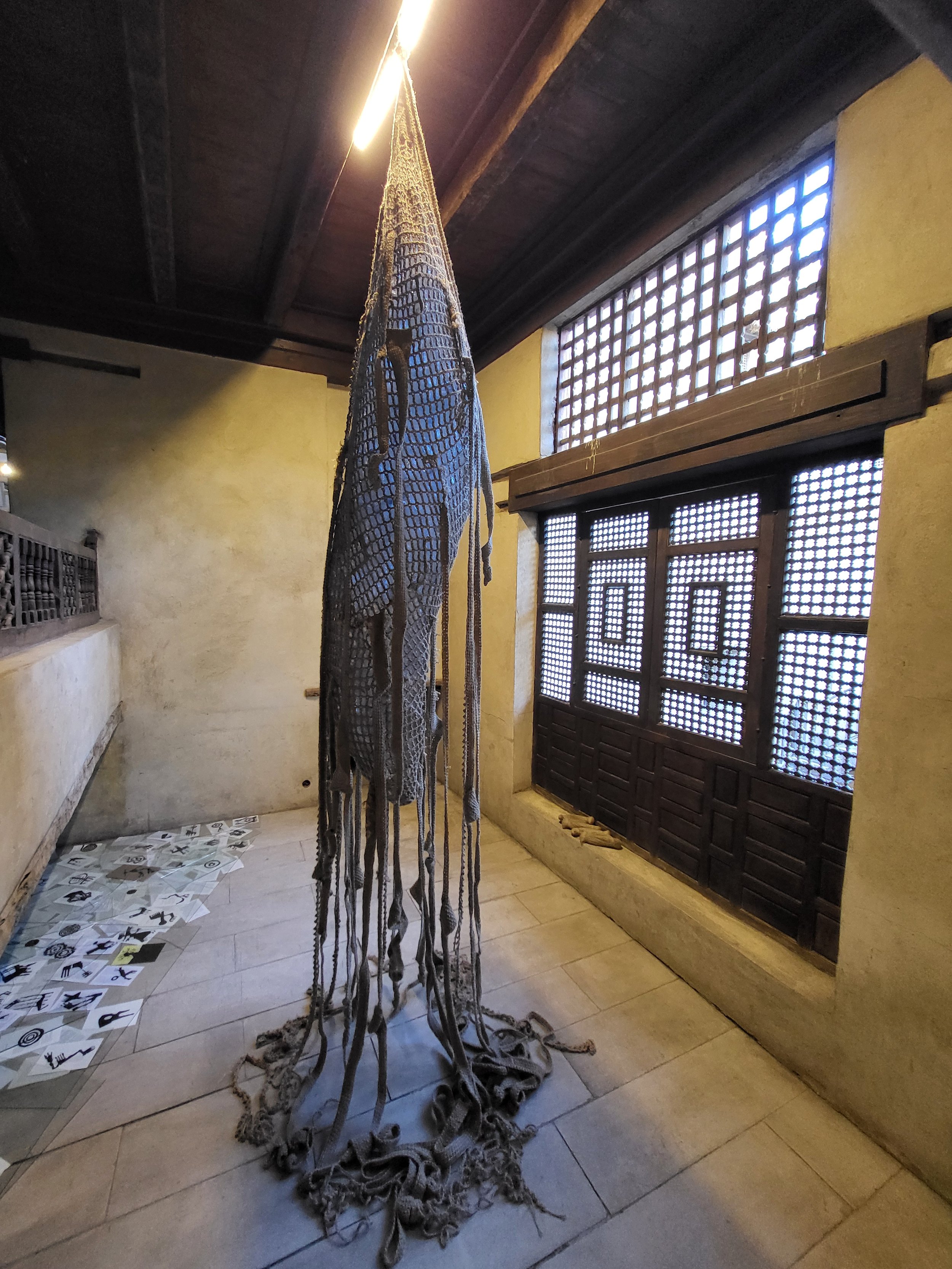
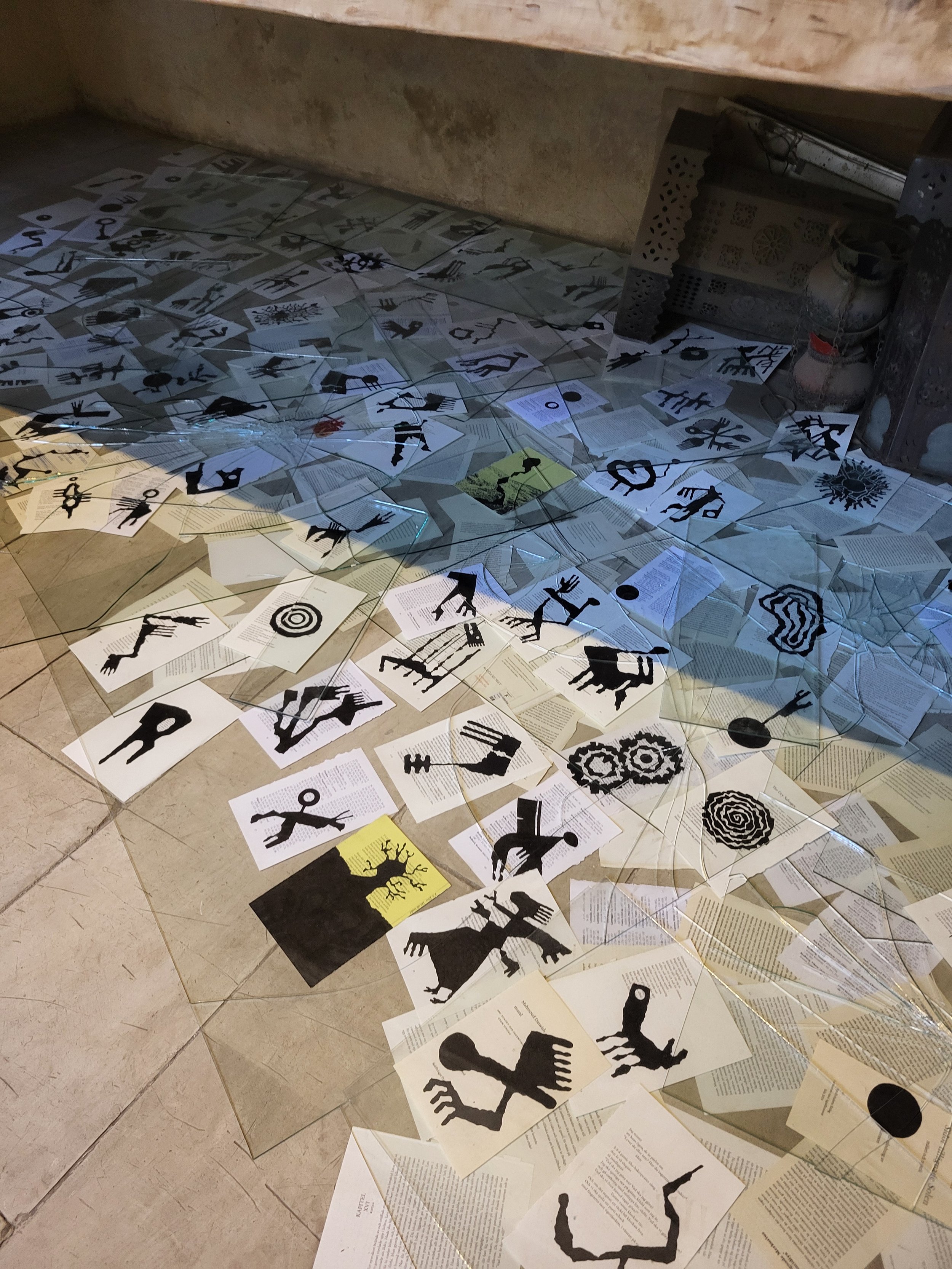
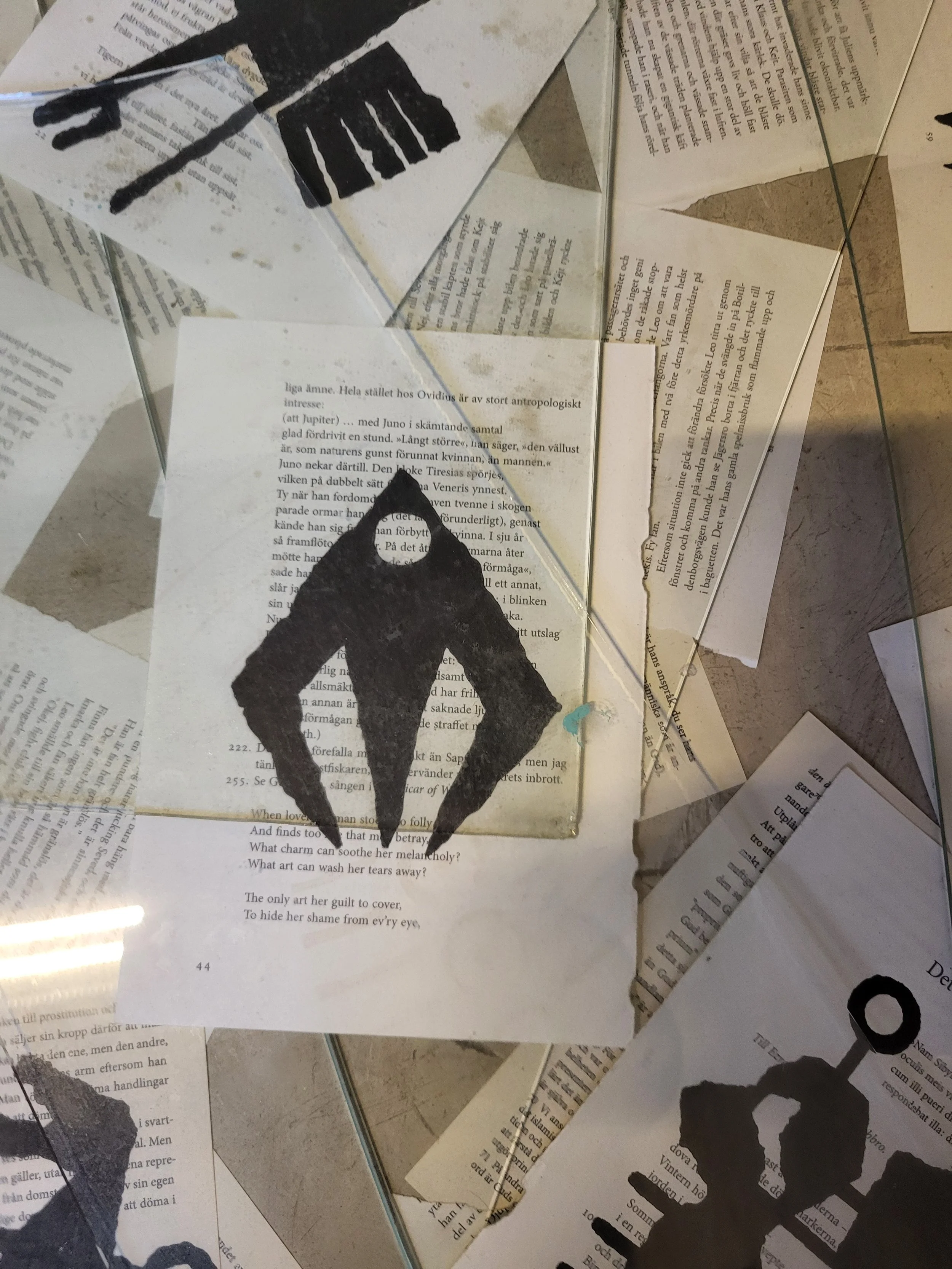
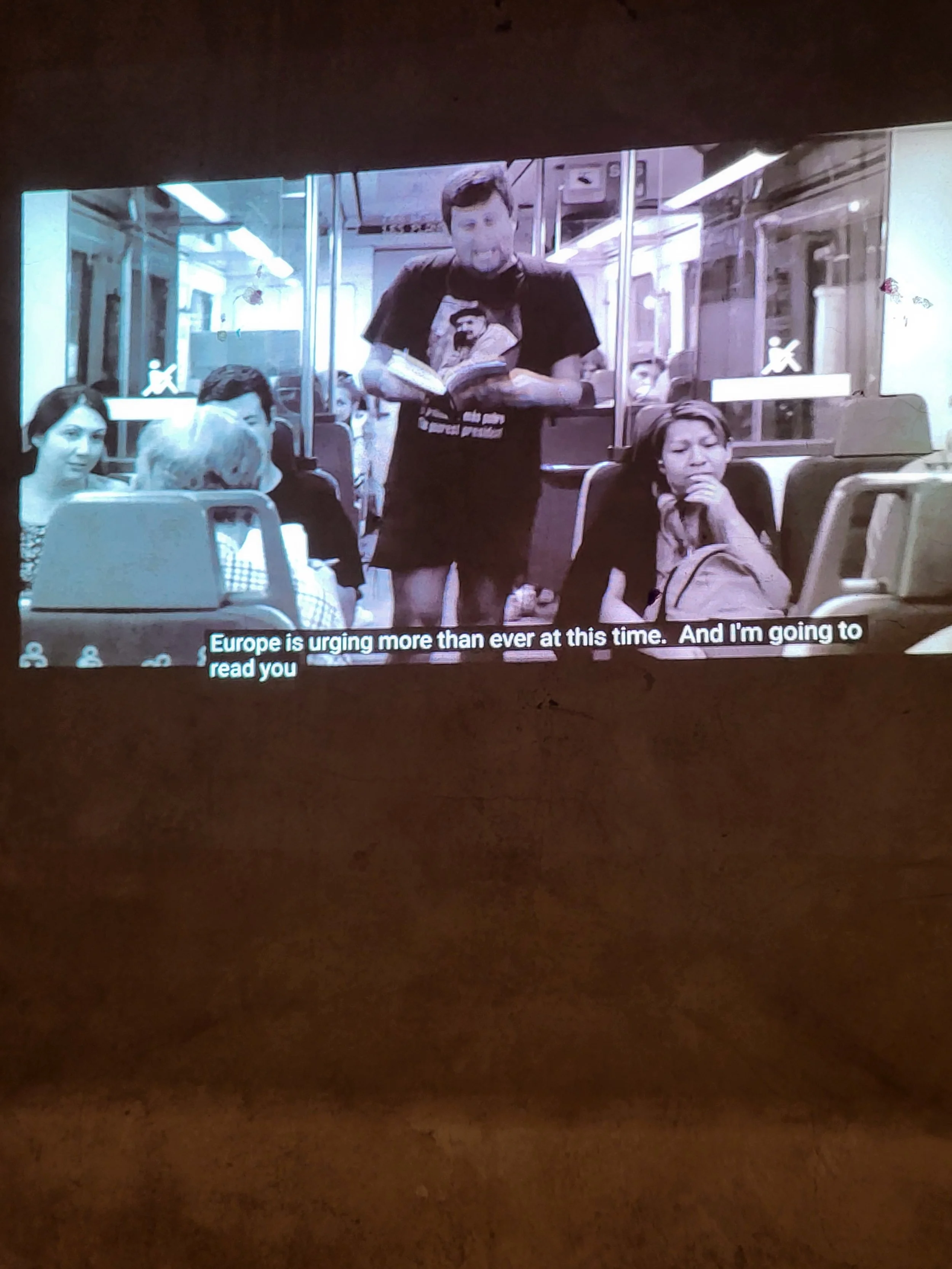
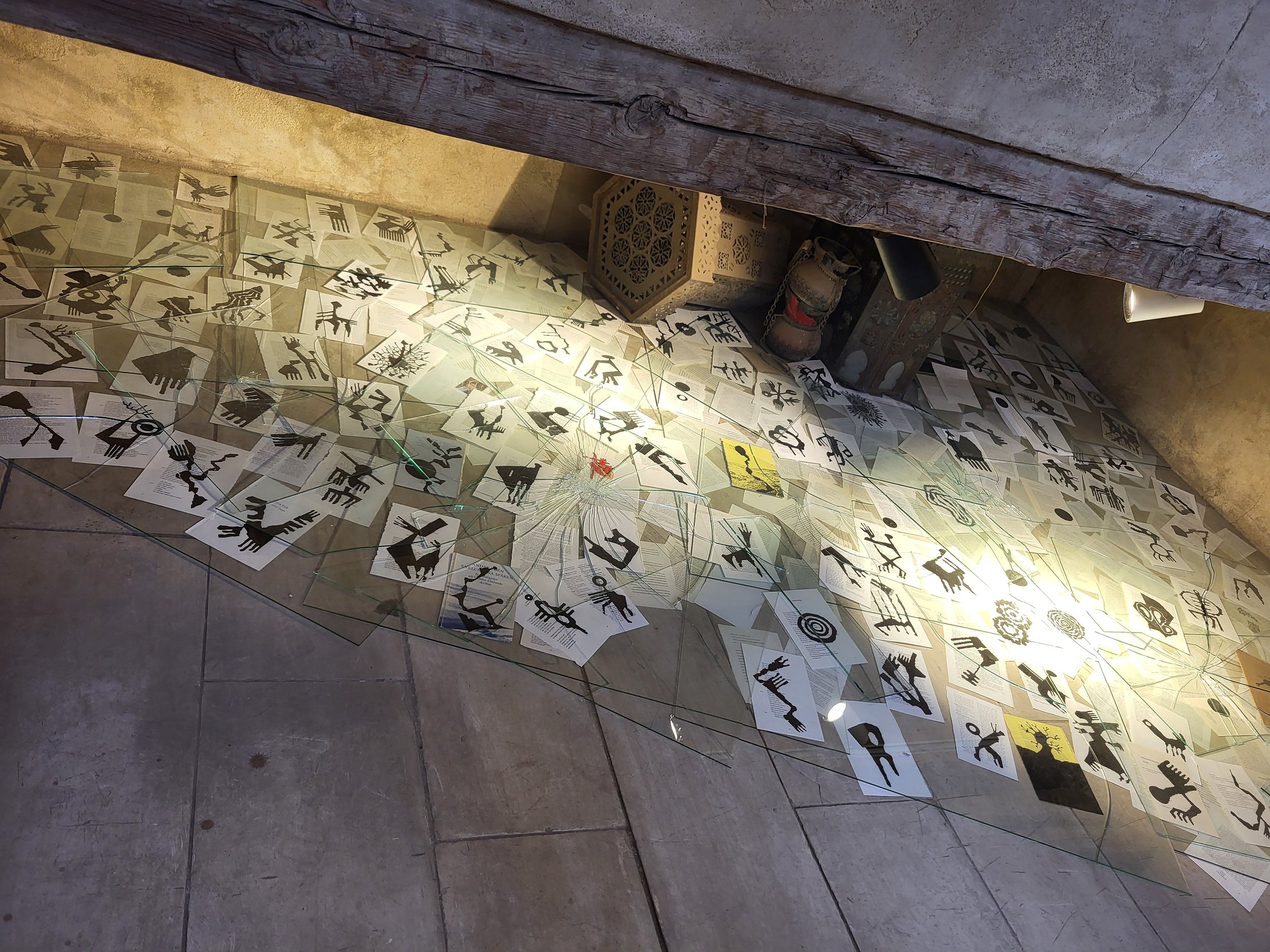
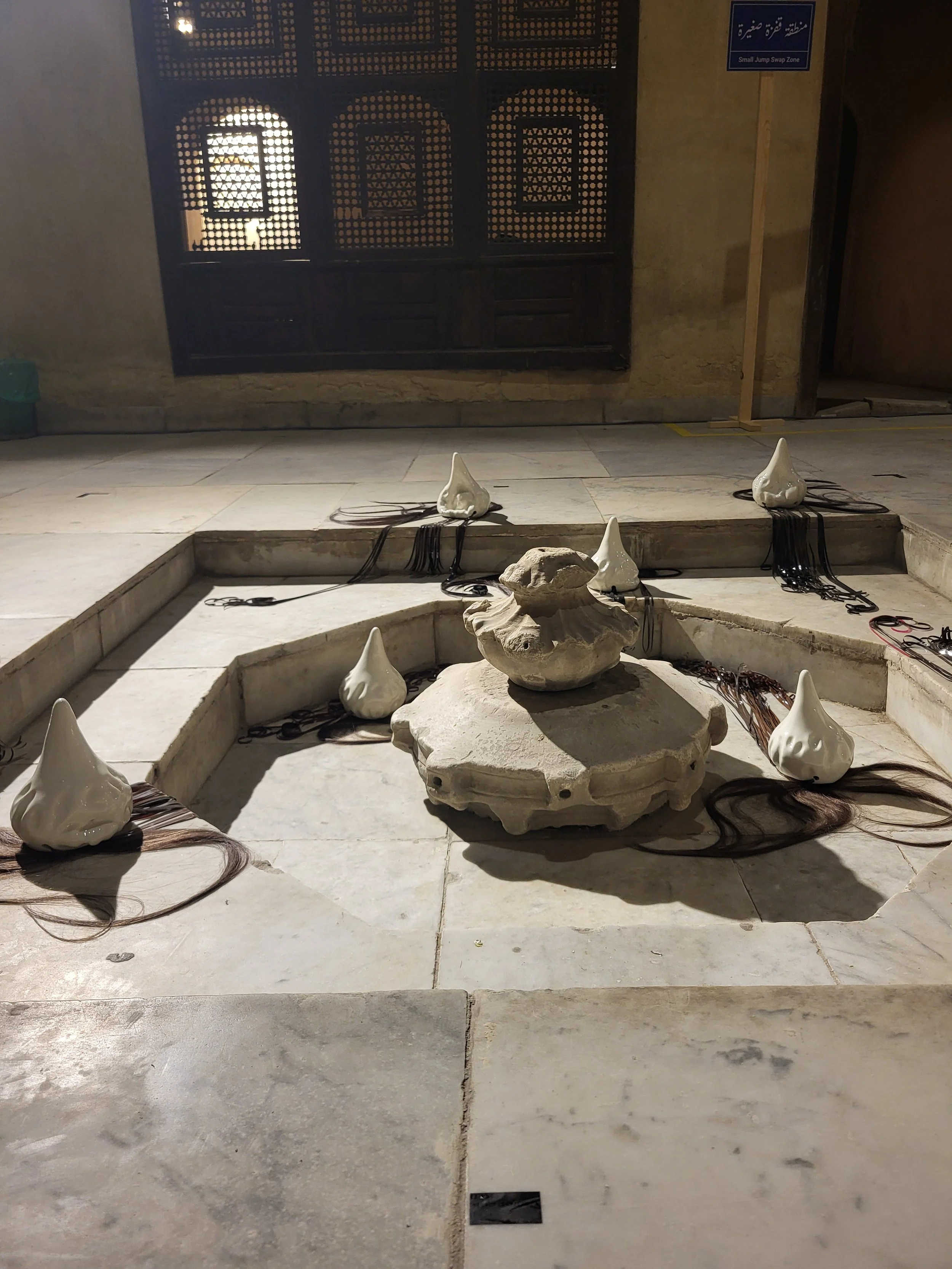
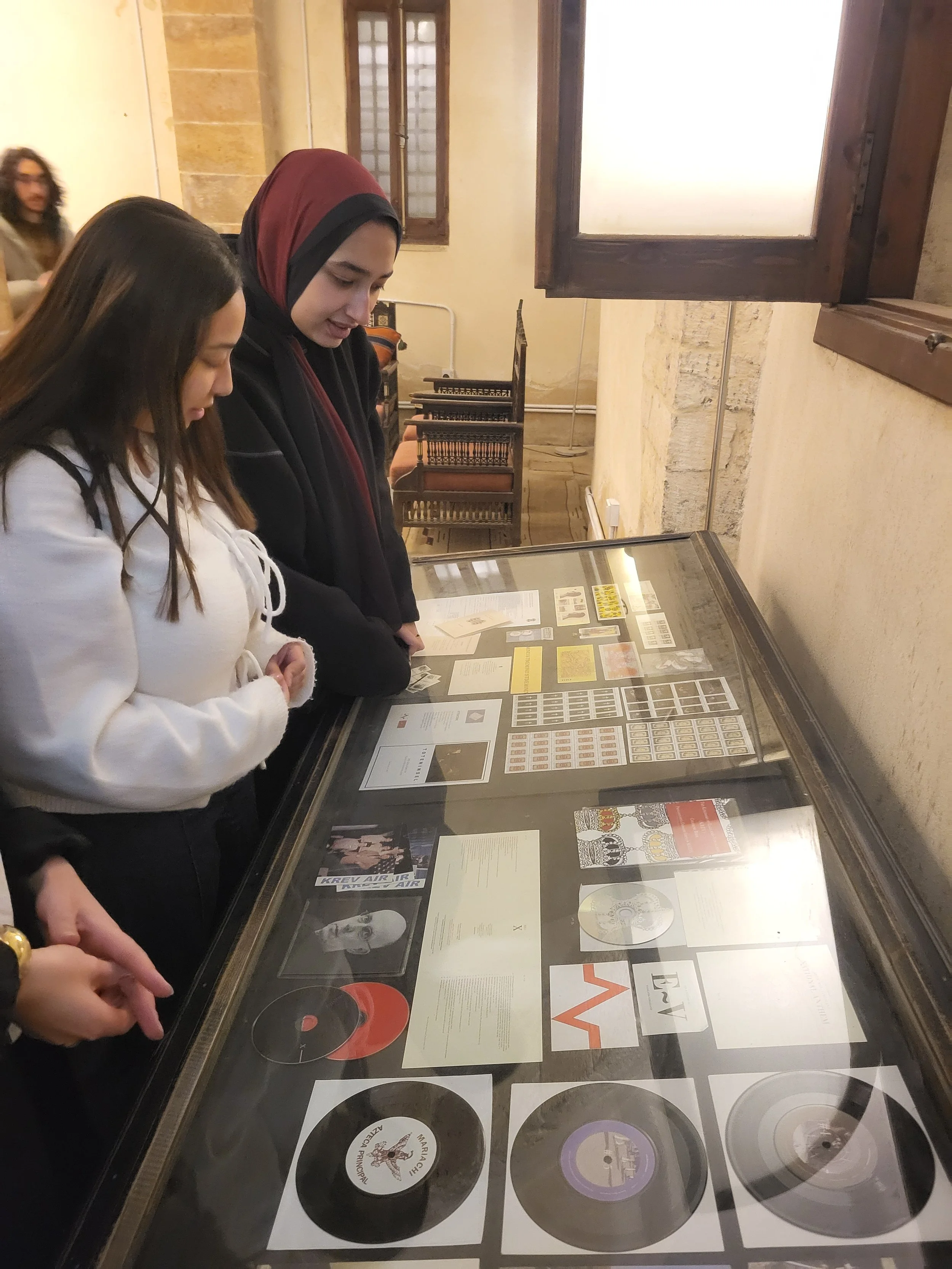
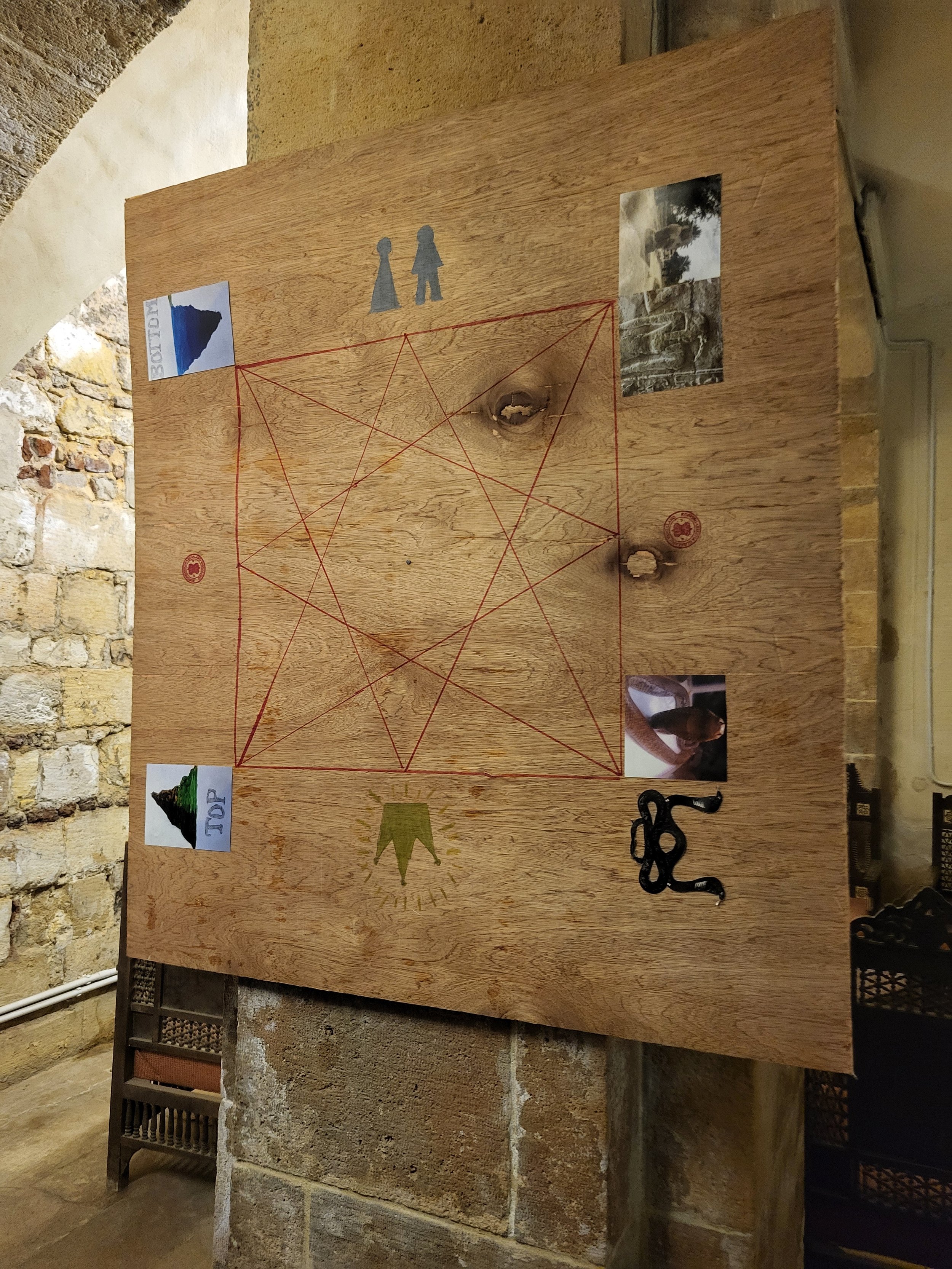
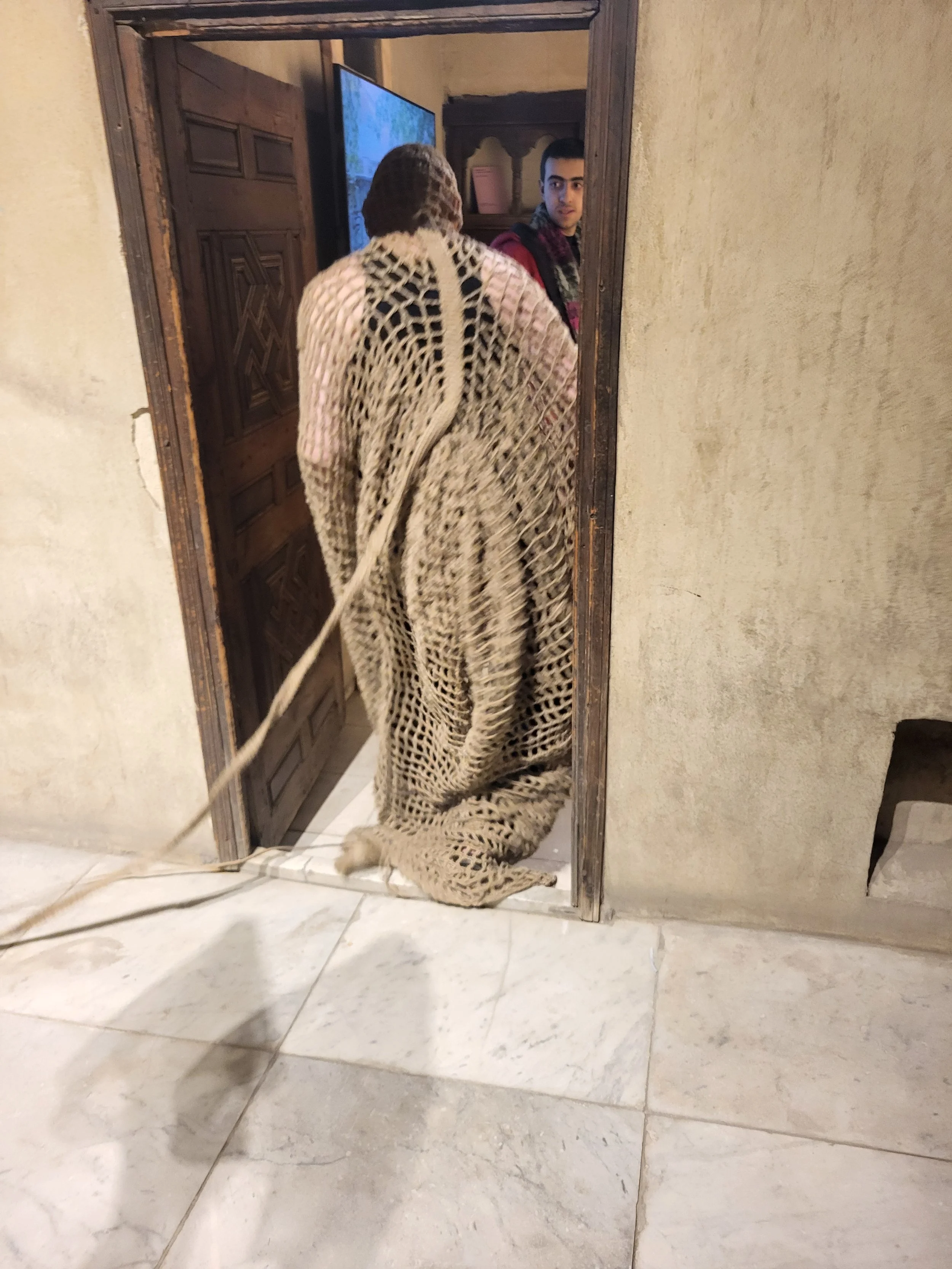
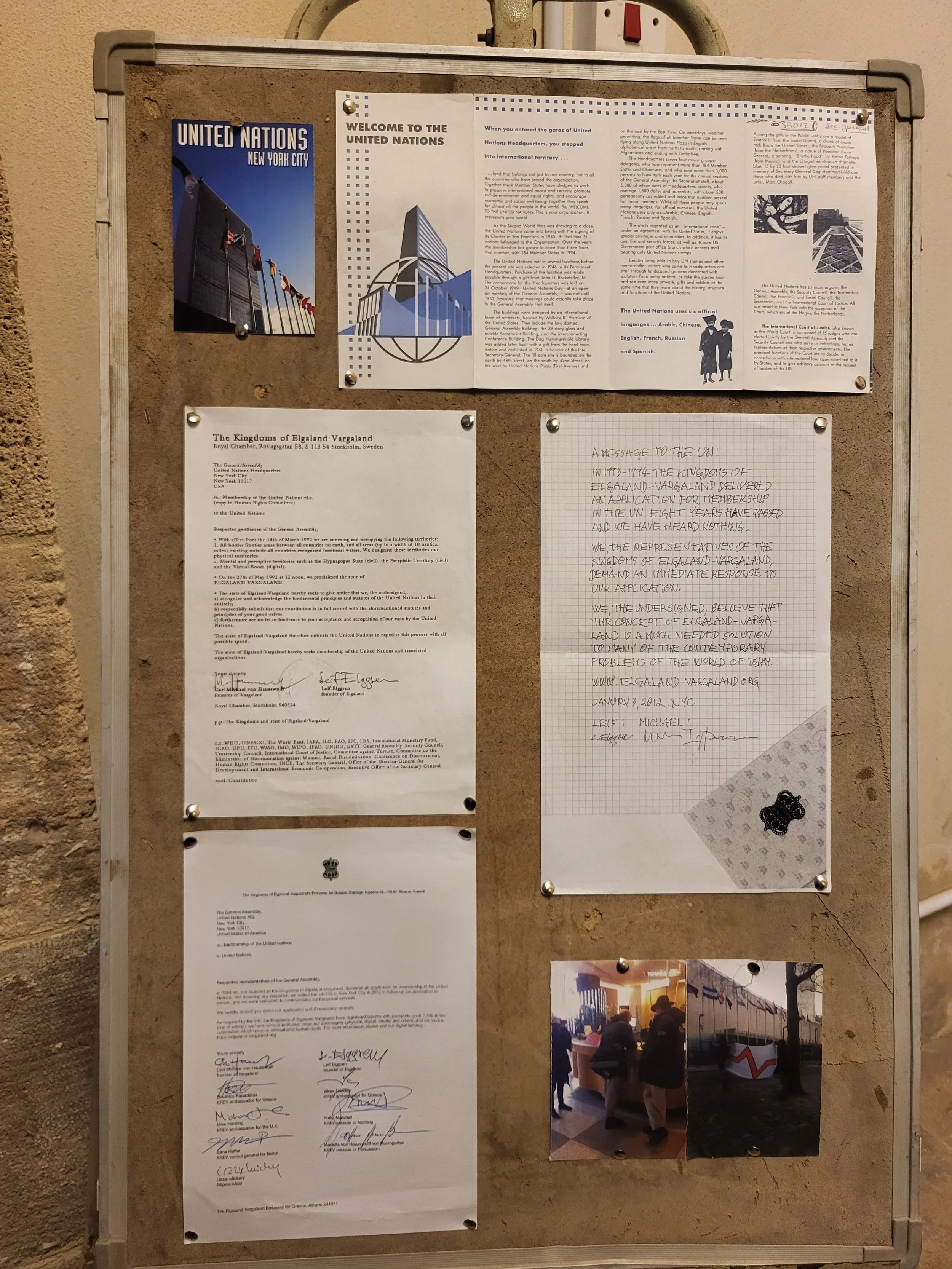
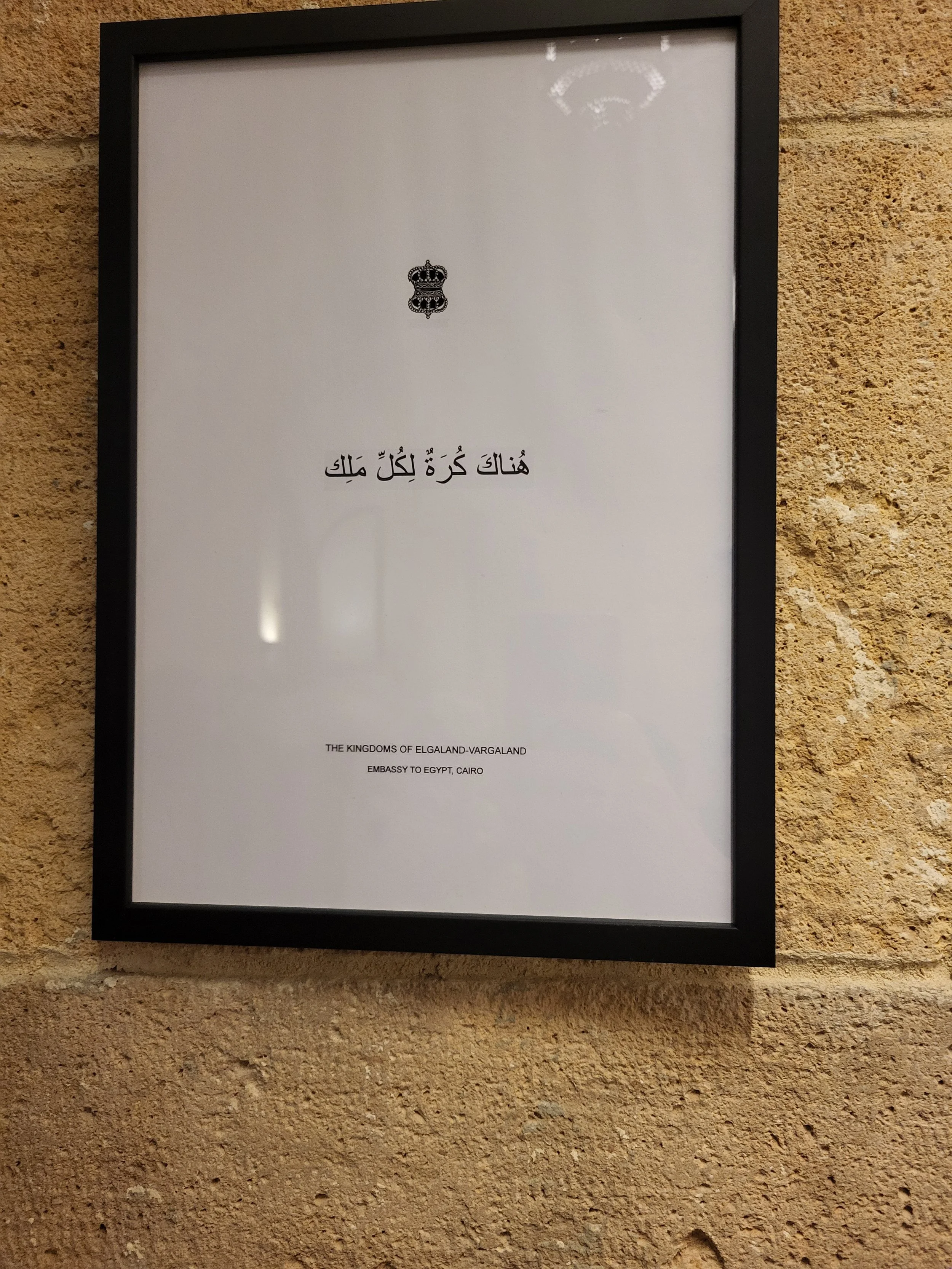
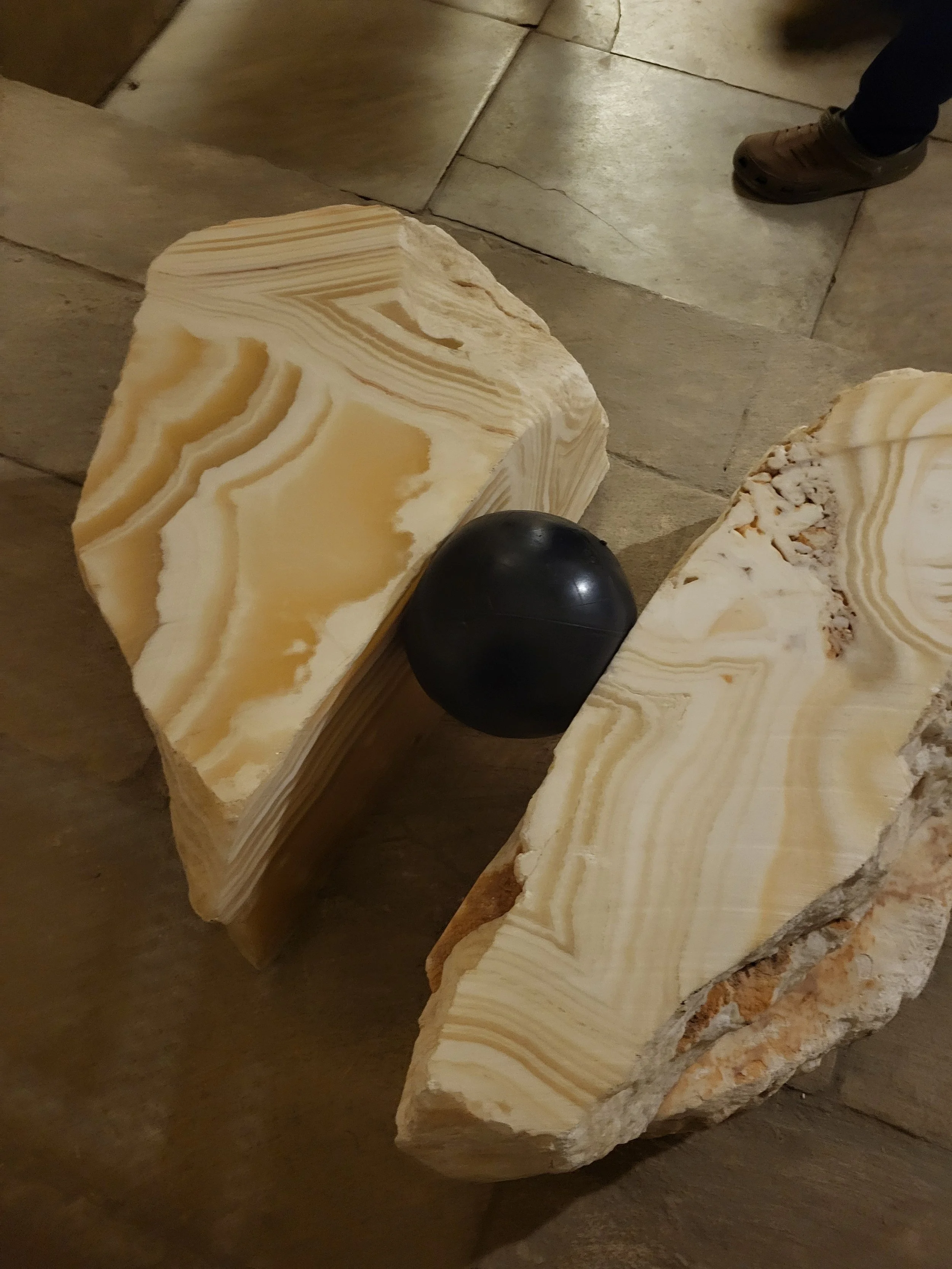
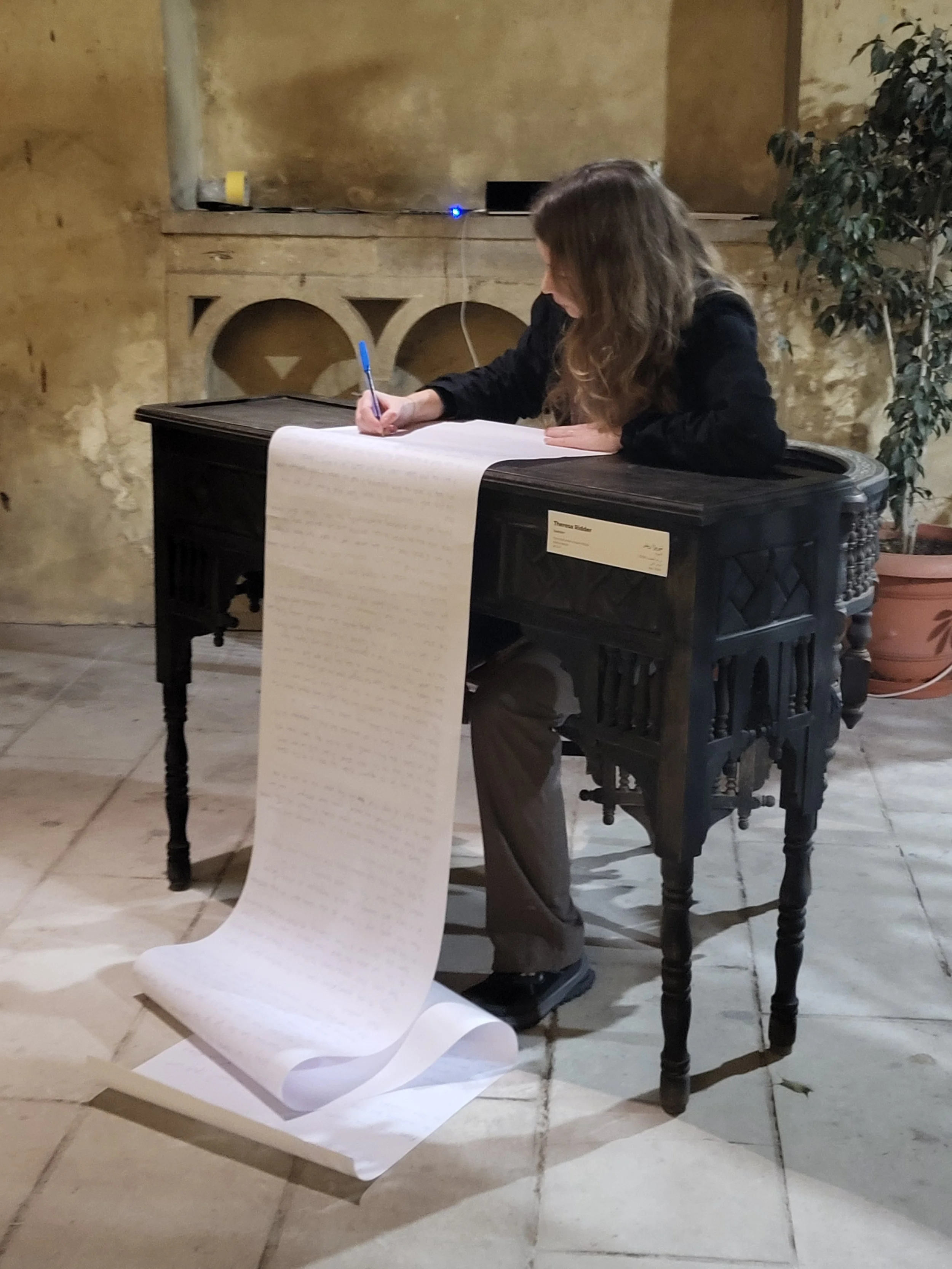
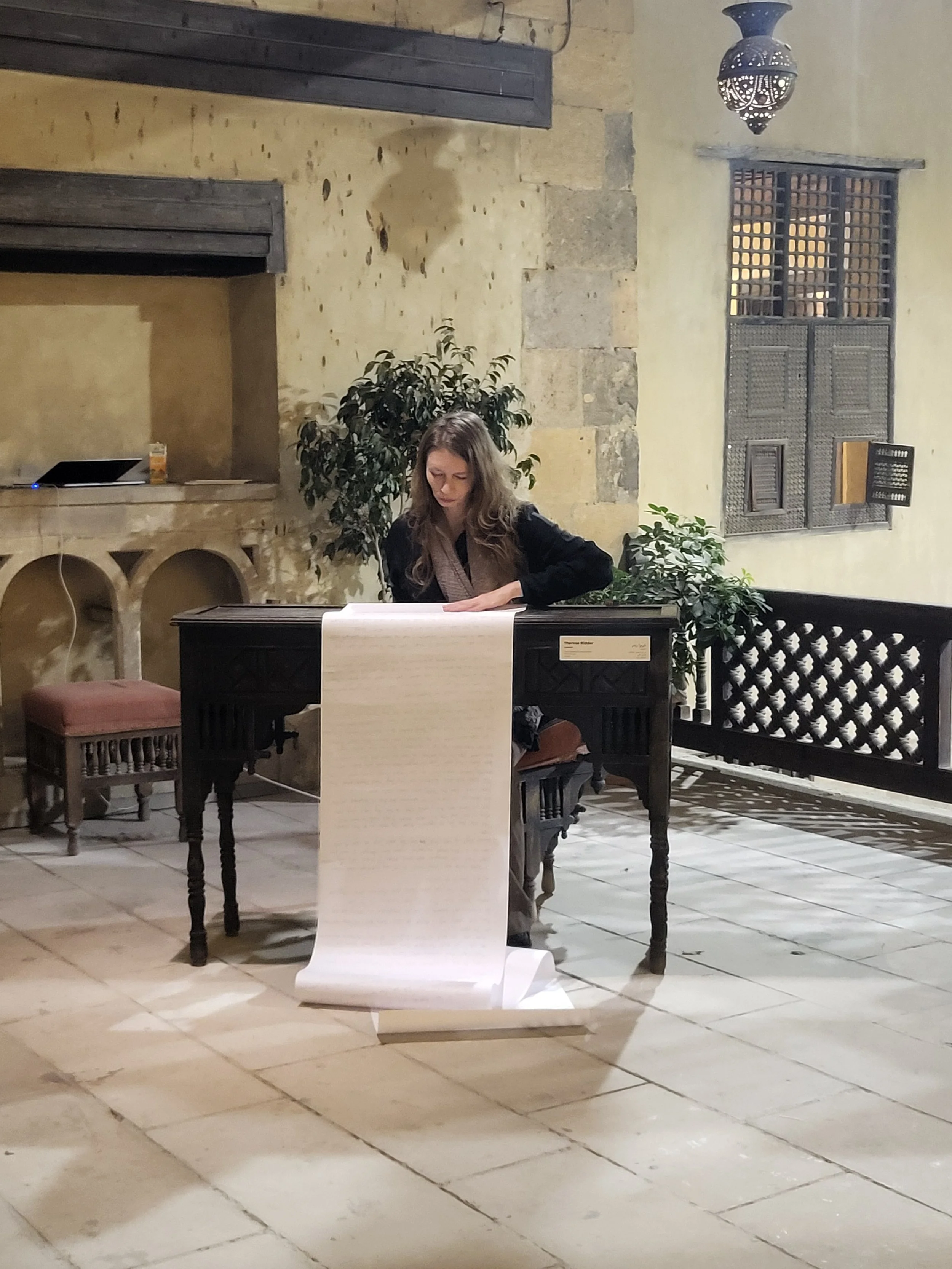
Artists from and based in Sweden, Finland, Norway, Germany and Uruguay work across film, textile, performance, installation, sculpture, photography, painting, and sound. Some return to Cairo with experience of working here; others arrive for the first time. What connects their practices is an attention to time, repetition, ritual, and presence. The works develop through proximity—by staying, adjusting, and responding to what is already there.
Cairo sets the conditions under which work takes place: how time is stretched or cut short, how decisions are made, and how reliance on others becomes unavoidable. The city exposes the informal and often unpaid networks through which exhibitions are actually produced. Read against this context, the project highlights the limits of dominant art-world models that promote collaboration as a value while separating responsibility, accelerating production, and obscuring the labor and care on which they depend.
Against this, NO PROBLEM: THE PEOPLE insists on dependence rather than autonomy, maintenance rather than spectacle, and shared effort rather than individual achievement. In contexts where formal protection is uneven or absent, people—human and non-human—are not motifs or support structures. They are the resource that makes work possible.
No problem. The people.